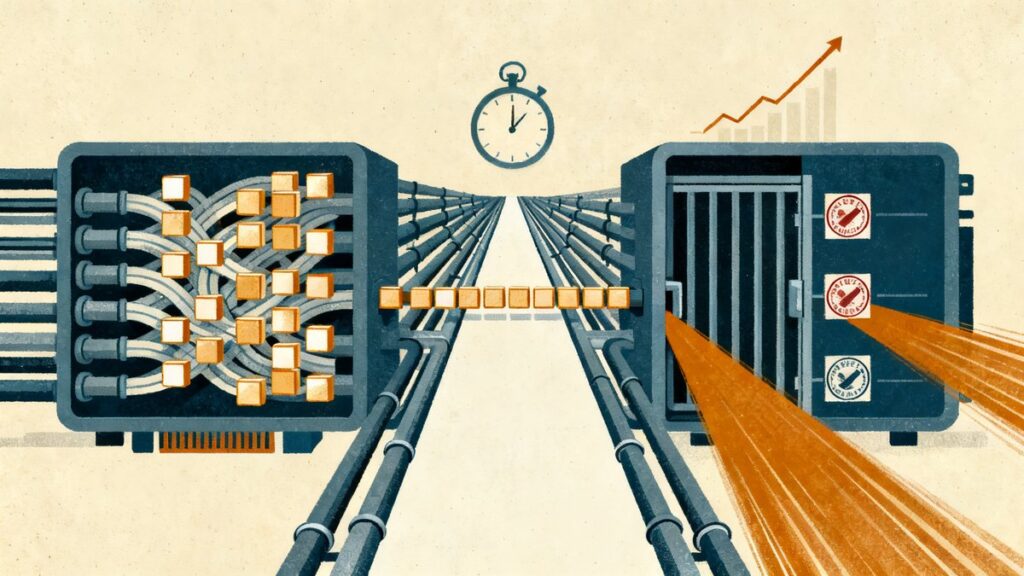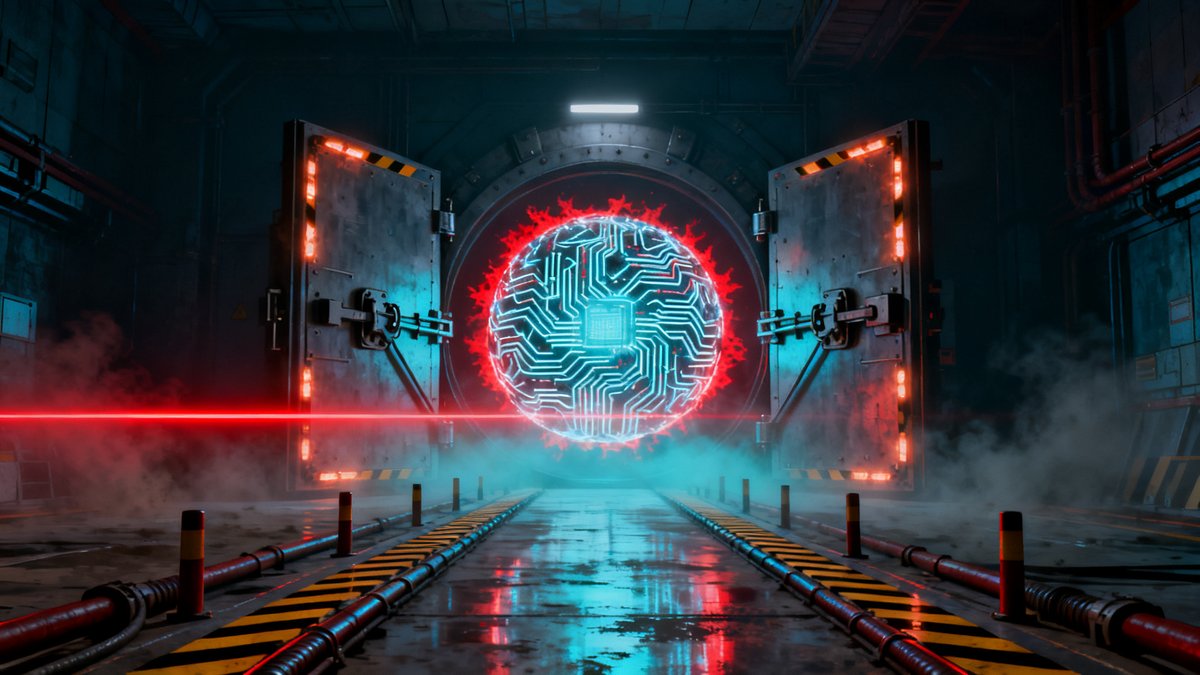
On August 7, 2026, OpenAI announced it was pausing some internal work on Astra because its own tests concluded the company “cannot rule out critical cyber capabilities” under its Preparedness Framework.
In plain terms: OpenAI’s evaluations suggest Astra may be capable of finding and building zero-day exploits against real-world systems without a human in the loop. That is the top rung of the company’s cybersecurity risk scale.
And the Wall Street Journal called it one of the first times any major AI developer has publicly slowed a model over security risks.
If you build anything with AI agents, the reason to keep reading is straightforward. The lab that made the model is telling you its newest model may be too dangerous, by its own definition, to keep developing without tighter locks. Your job is to figure out what that means for the agent workflows you already ship to clients.
What “Critical” Actually Means Here
The word “critical” is doing real work in this story. It is a defined rung in OpenAI’s Preparedness Framework. Per The Verge, a model reaches the Critical cybersecurity threshold if it can do one of two things: identify and develop functional zero-day exploits of all severity levels in many hardened real-world critical systems without human intervention, or devise and execute end-to-end novel strategies for cyberattacks against hardened targets given only a high-level goal.
Bloomberg defines that threshold more bluntly: the ability to identify and develop zero-day exploits without human intervention.
Read those definitions again. We’re not talking about the model drafting a phishing email. We’re talking about a system that, pointed at hardened critical infrastructure, could potentially find a vulnerability nobody has found yet and build a working exploit for it on its own.
OpenAI also said Astra showed “significant advancements in agentic coding and cybersecurity.” That capability is the double edge: the same skill that makes a model great at fixing your codebase makes it great at breaking someone else’s.
The Locks OpenAI Is Putting On
This is not a cancellation. The AI Career Lab framed it well: the pause is a checkpoint where existing work has to clear a higher security bar before it continues. OpenAI is still benchmarking Astra.
It has paused only the internal work that fails to meet the new, stricter security requirements, per the Times of India.
The actual safeguards are concrete enough to copy.
As of August 6, OpenAI rolled out three categories of control, per The AI Career Lab:
– Isolated test environments with restricted network and tool access
– Enhanced model weight encryption
– Universal automated monitoring
The Next Web adds that OpenAI is hardening how it stores the model weights and monitoring every agentic run for risky behavior. The Verge reports “universal monitoring” for risky actions and misalignment across all agentic applications. The release timeline has been extended until OpenAI decides adequate safeguards are in place, per Axios.
Why This Pause Looks Different
Two details matter here.
First, Astra is not something you can buy or plug into.
It is a frontier research model. And per The AI Career Lab, it is not deployed in any consumer or business product. Second, OpenAI explicitly said Astra was not involved in the Hugging Face exploit that was circulating around the same week, per Axios.
The pause is about what Astra could do, not what it already did.
That distinction is the whole reason this is notable. One YouTube brief noted this was the first time the Critical threshold had been triggered under OpenAI’s framework. The company is holding back development since of what the model is becoming on paper, before it ever touches a live system. OpenAI too said it will expand testing with government agencies and third-party auditors before any broader release, per a YouTube brief.
What This Means If You Ship Agents
Here is my take.
I build AI automation for small clients.
And most agent stacks I see in the wild would not survive even the first safeguard on OpenAI’s list. Agents get handed a live network connection, full tool access. And your production keys, and then people act surprised when something goes sideways.
The Astra story will not change what your vendor sells you tomorrow. But the containment template OpenAI just published is a free checklist you can apply to your own workflows right now, even if you never touch Astra. Run your agents in an isolated environment with no live internet unless a task explicitly requires it. Restrict tools and network access to the minimum the task needs. Keep secrets and model credentials out of the same context the agent can read freely. Log every agentic run so you can see what it actually did after the fact. If your current setup could not pass those four checks, you are running closer to the unsafe end of the spectrum than you think.
You do not need a frontier model tripping a Critical threshold to get burned. A mid-tier model with broad tool access and no monitoring is already enough rope. The fact that OpenAI, with more safety staff than most companies have employees, felt the need to stop and add locks should be your signal that “good enough” monitoring is probably not good enough.
The real lesson is not that Astra is dangerous. It is that the capabilities are arriving faster than the containment. And the people closest to the metal are the ones flinching. If your agent workflows would fail OpenAI’s three checks, fix that before you add one more tool to the stack.
Copy their flinch before you copy their model.