OpenAI acquired NextSlide on August 8, 2026, and it’s the first confirmed step toward a native ChatGPT office suite.
The whole NextSlide team is now inside OpenAI building ChatGPT features.
And their product turned notes, documents, and research into finished, editable presentations.
If that sounds like a presentation tool replacement assembled inside a chat box, you’re reading it right. This is OpenAI moving from a text-generation tool into a broader content creation platform. And it points straight at Microsoft Office’s territory. Source
What OpenAI Actually Bought
NextSlide was founded in mid-2025 by Ahmed Beshry, which makes it roughly a year old at exit.
It built AI tools for converting notes and research into polished presentations.
And one report broadens that to prompts, notes, documents. And research turned into finished editable decks. Source The acquisition was announced on August 8, 2026. But the deal had already closed. One report says it was finalised in early 2026. And Beshry himself said the announcement came “a few months late” and that the acquisition took place “earlier this year.” Source Financial terms were not disclosed.
The quietness is the tell here.
OpenAI had published no product blog naming NextSlide by August 8, 2026. NextSlide’s homepage contained only a farewell note. And its public site no longer presented the product. Source This wasn’t a press-cycle partnership. It was an acqui-hire absorbed into ChatGPT with the lights off. And the team is now at OpenAI “helping build ChatGPT,” as one report put it. Source
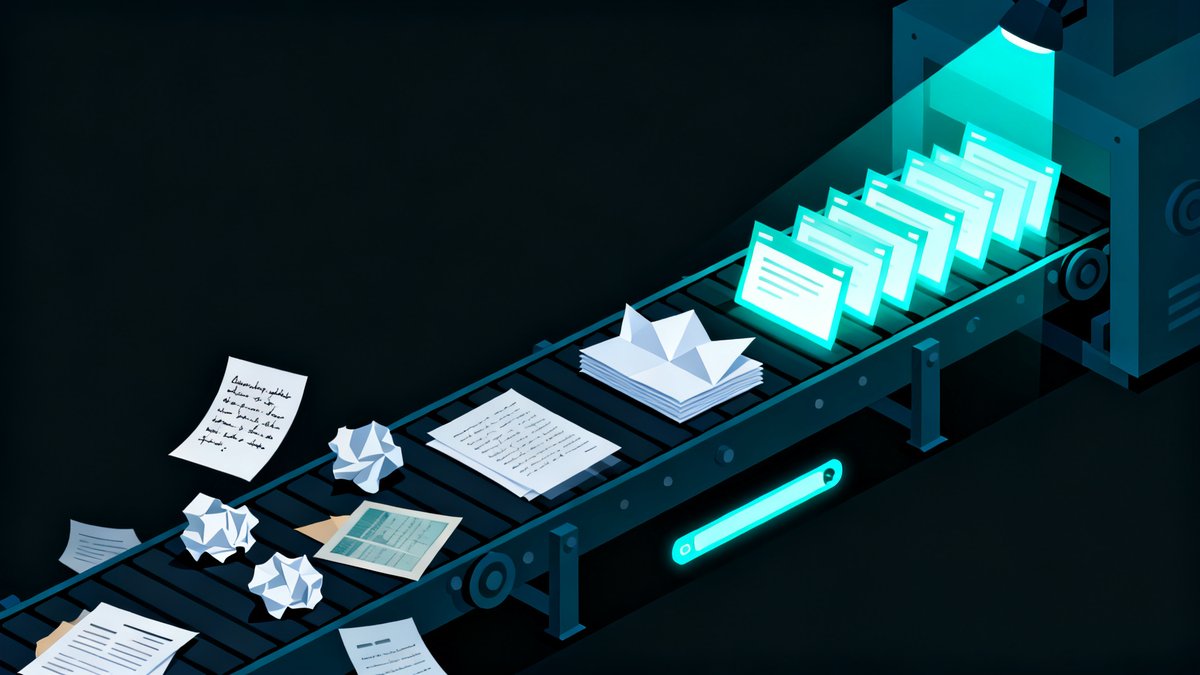
The Assembly-Line Playbook
OpenAI didn’t try to build a presentation engine from scratch. They bought a year-old startup that had already shipped the thing and folded the team into ChatGPT.
That’s faster than building, cheaper than competing on a layer they already own. And it’s the pattern I expect them to repeat.
One report frames the deal as expanding ChatGPT into presentation creation and signals “ChatGPT’s evolution from a text-generation tool into a broader content creation platform.” Source Beshry credited OpenAI’s Fidji Simo with recognising the startup’s vision and facilitating the acquisition. Source That a senior OpenAI leader personally pushed a tiny, year-old deck maker across the line tells you this is a deliberate expansion strategy, not a one-off.
Here’s my read as someone who ships automation for small clients.
The valuable IP in a startup like NextSlide isn’t the model. OpenAI already has the model. It’s the workflow: the prompts, the layout logic, the parts that turn raw notes into a deck a person would actually present. Buying that shaves months off building it internally, and it removes a potential competitor before it scales. Expect more of these acquisitions, not fewer, each one filling a different slot in the suite.
Why The Surface War Matters
The contest is no longer which model scores highest on a benchmark. It’s which surface the knowledge worker already has open when they need to produce something. ChatGPT is already running on desktops every day. If presentations, and eventually documents and spreadsheets, live natively inside it, the model becomes the workflow instead of a side tool you copy text out of.
That puts real pressure on incumbents. The reporting around this deal frames it as a move on established presentation tools. Source NextSlide makes presentations, which is the incumbent presentation tool’s exact lane. The competitive logic writes itself: if the place you draft ideas can also render them into a finished deck without leaving the window, the standalone deck tool loses its reason to be opened.
I’m not going to pretend I know who wins. What I know is that embedding beats bolting on every time I’ve watched it in my own client work. The tool that owns the conversation will own the output. And OpenAI just bought itself a fast lane into one more output type.
That’s a bigger deal than any model release this quarter.
What Small Operators Should Do
This matters for you if you build, resell, or depend on productivity tooling.
A few moves worth making now:
– Don’t build a standalone AI deck generator. You’re building into the path of a company that just bought the category leader and will ship it inside ChatGPT for free or cheap. Find a niche the big surface can’t reach.
– Audit your dependency on Microsoft Office for client deliverables. If OpenAI’s presentation features land inside ChatGPT, your cost to produce a polished deck could drop hard. Track it.
– Watch the ChatGPT feature surface, not the model releases. The next meaningful change for your margins will be a native export format or a workflow button, not a benchmark jump.
– Keep your client work product portable. If your decks and docs only live in one vendor’s surface, a pricing change or a feature pull can strand you. I keep our deliverables in formats I control regardless of where they were generated.
The takeaway is simple. OpenAI bought a year-old startup, switched its site off, and quietly pointed the team at ChatGPT’s presentation layer. That’s how an office suite gets built in 2026, one acqui-hire at a time. If you run a lean operation, the question isn’t whether this arrives. It’s whether your workflow is ready when it does. Want help auditing where AI can actually cut your production costs without stranding you in one vendor’s surface? That’s what my agency does, and I’d rather show you the bill than the hype. Reach out.