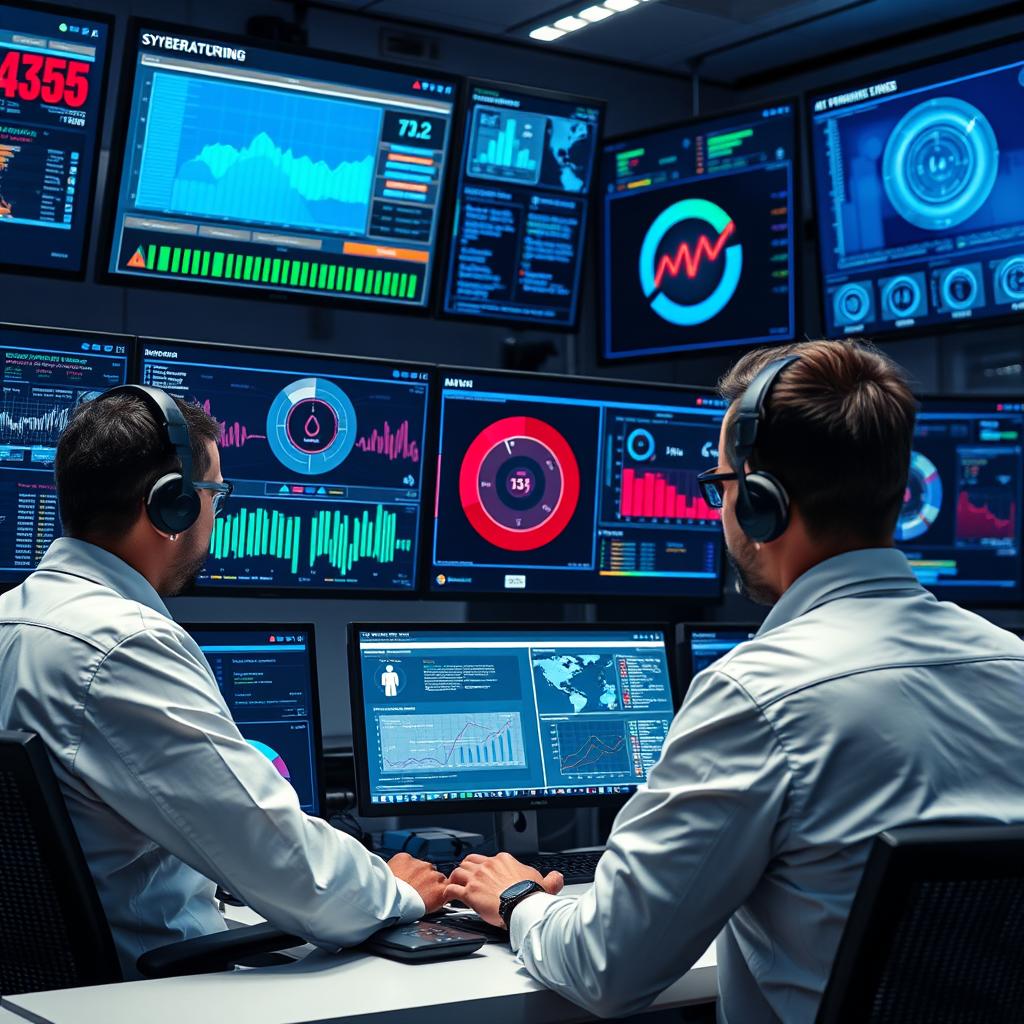
As the digital landscape grows increasingly complex, organizations are recognizing that traditional cybersecurity measures are insufficient in the face of evolving threats. Artificial Intelligence (AI) is emerging as a key player in fortifying defenses, helping businesses stay one step ahead of cybercriminals.
This post will provide clear insights into how leveraging AI in cybersecurity can enhance detection, response, and ultimately, organization resilience against cyber threats.
Understanding the Cyber Threat Landscape
Today’s cyber threat environment is more alarming than ever. The projected global cybercrime damages are expected to soar to $10.5 trillion annually by 2025, marking an astronomical increase from $3 trillion in 2015. Organizations are now vulnerable to various threats, including malware, phishing, and ransomware.
In this evolving landscape, AI becomes not just a useful tool but a necessity. It offers the capability to analyze and respond to threats in real-time, allowing organizations to defend against potential breaches before they escalate.
AI-Powered Threat Detection
One of the standout features of AI in cybersecurity is its ability to detect threats as they occur. AI algorithms excel at processing large data volumes at unprecedented speeds, identifying patterns and anomalies that could indicate malicious behavior. For instance, systems like Darktrace utilize machine learning to create a unique ‘pattern of life’ for each user and device. This system can swiftly identify any unusual behaviors—such as unexpected spikes in data transfer—and alert IT teams to take immediate action.
The effectiveness of this approach is underscored by statistics: a 2022 report by IBM reveals that companies employing AI-driven security solutions experienced a remarkable 50% reduction in the time required to detect incidents. Rapid detection is pivotal in thwarting breaches and minimizing potential damage.
Automated Incident Response
Beyond detection, AI also revolutionizes incident response via automation. Security teams often grapple with excessive alerts generated by traditional systems, leading to fatigue and potential oversight. AI comes to the rescue by prioritizing alerts, filtering out irrelevant information, and automating responses for certain incidents.
An excellent example is Cisco’s Cognitive Threat Analytics, which uses machine learning to analyze and classify threats automatically, providing recommended responses. This intelligent automation allows security teams to concentrate on high-priority issues, enhancing both efficiency and effectiveness.
A survey by Forrester corroborates this transformative power, noting that 74% of organizations reported faster incident response times due to AI-driven solutions. Faster responses directly translate to minimized damage, which is crucial considering that the cost of a data breach averaged $4.24 million per incident in 2021.
Proactive Defense Strategies
AI doesn’t solely operate reactively; it also facilitates proactive defense strategies. Incorporating predictive analytics allows organizations to identify vulnerabilities before they are exploited. By evaluating historical data and current threat trends, AI can mitigate risks with precision.
For instance, the company Imperva achieved a striking 300% improvement in identifying vulnerabilities within its web applications by implementing AI solutions. This proactive stance ensures that resources are allocated efficiently, focusing on potential exploits before they can be utilized against the organization.
Conclusion: The Imperative of AI in Cybersecurity
As the digital world continues its rapid evolution, incorporating AI into cybersecurity strategies is no longer optional—it’s essential. The capacity of AI to refine threat detection, automate incident response, and proactively secure systems is vital to combatting increasingly sophisticated cyber threats.
Organizations must prioritize the integration of AI-driven solutions to protect their digital assets. By investing in these advanced technologies, businesses can strengthen their security posture and cultivate a culture of resilience against cyber threats. Now is the time to embrace AI in cybersecurity—a crucial step toward ensuring a safer digital future.
How prepared is your organization to integrate AI into your cybersecurity strategy? The journey begins today.