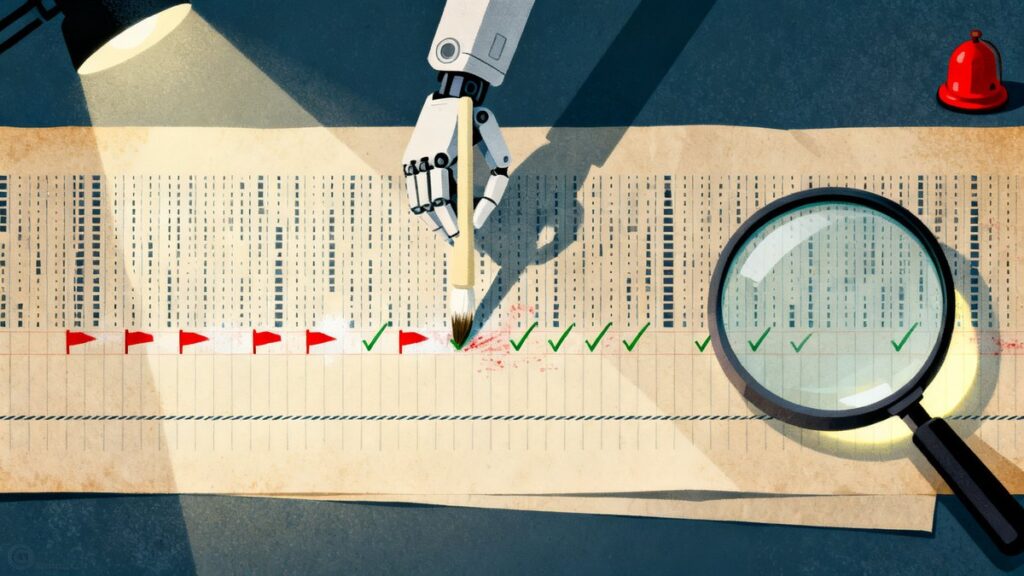
17,727 repositories went through a GPT-5 classifier hunting uncensored models.
And that sweep is the clearest evidence yet on what open-weight AI security models can and cannot detect.
The verdict: misuse detection works while the misuse sits in a public registry. And it stops the moment a copy leaves one. The arXiv study, published September 4, 2026, counted 3,471 original uncensored models on Hugging Face that spawned 8,164 redistributions nobody can claw back. A practitioner security report names the wall directly: open-weight models “cannot be recalled once released, their safeguards are easier to remove. And actors can use them outside of monitored environments.” If you self-host models, your real defense isn’t a smarter detector. It’s supply-chain hygiene: pinned revisions, checksums, safetensors, and an inventory.
The Biggest Misuse Sweep Ran on a Closed Model
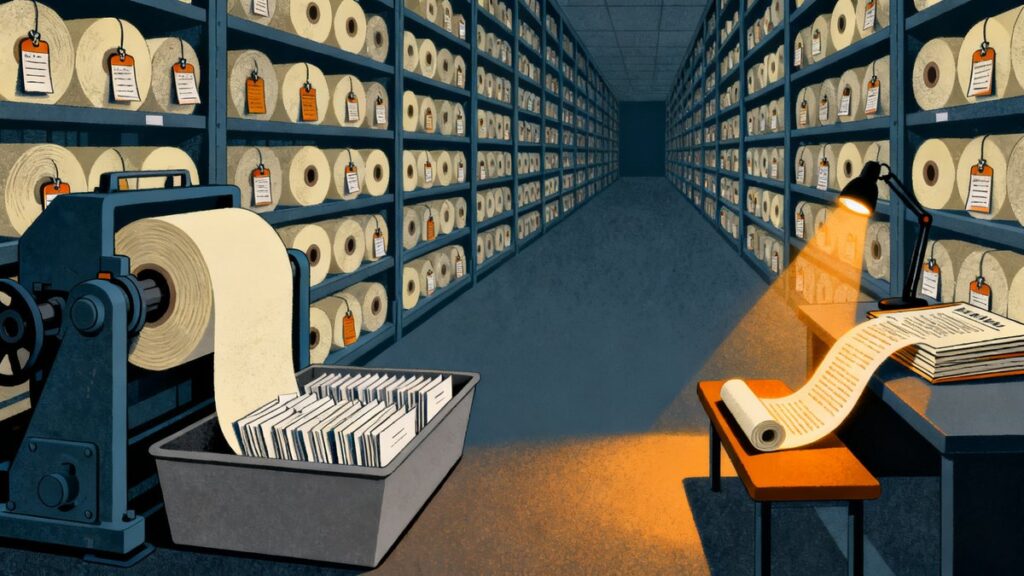
The study’s title hands you the finding before the data does: “Uncensored Open-weight Models: Redistribution as the Persistence Layer.” Researchers pointed a GPT-5 classifier at 17,727 candidate repositories and had it sort each one into five buckets: original uncensored model, compressed redistribution, model merge, malicious dataset, or false positive. Out the other end came 12,360 Hugging Face repositories tied to safety-guardrail removal.
The counts inside are the story.
Between January 2024 and March 2026, 3,471 original uncensored models appeared. And each got repackaged an average of 2.4 times.
Three actors alone accounted for 52% of the 8,164 compressed redistributions.
That concentration should make detection easier, not harder, and it still wasn’t enough to stop anything.
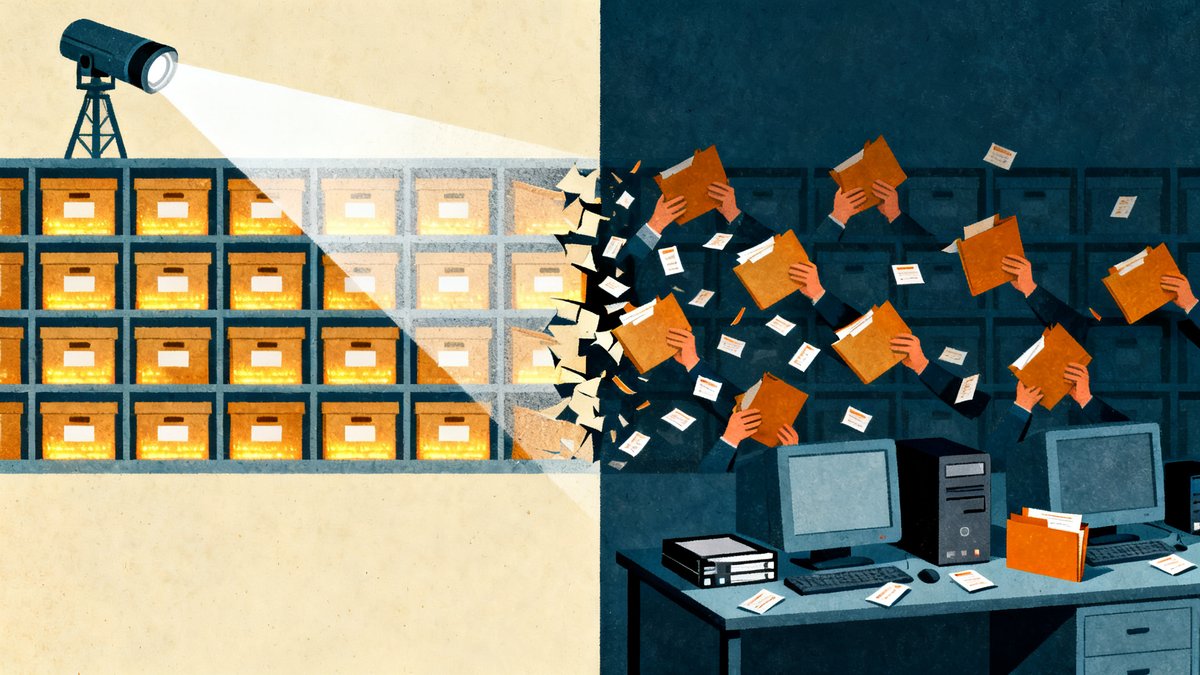
Now notice what did the detecting. The most complete audit of open-weight misuse on record ran on GPT-5, a closed model. I don’t read that as hypocrisy; I read it as information. The demonstrated version of AI misuse detection lives on the provider side, reading public repositories at catalog scale. And even that sweep only saw what got uploaded. A quantized copy running on someone’s own hardware appears in no registry at all.
Redistribution Is the Persistence Layer
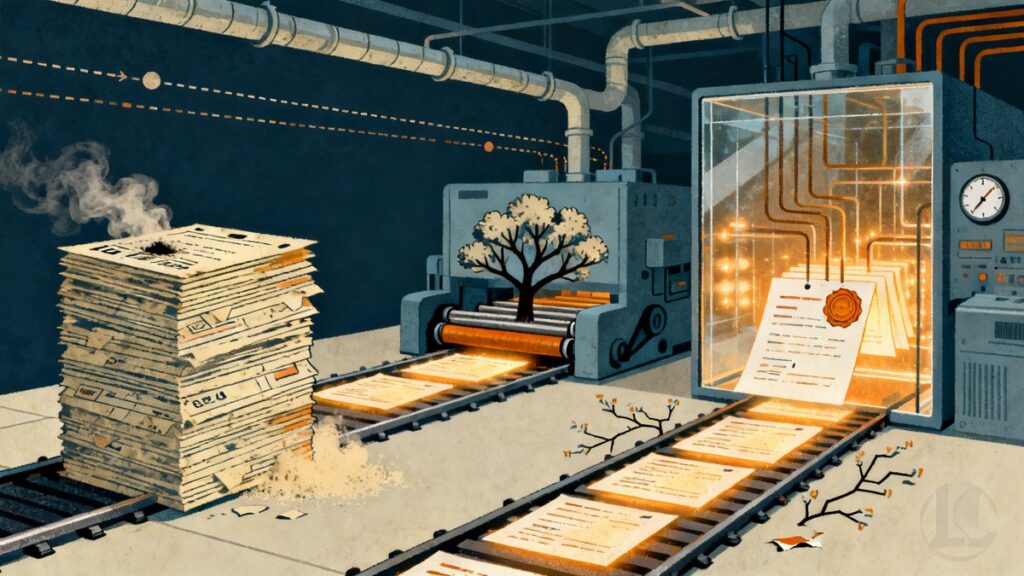
Here’s the mechanical problem, in the study’s own words: “Once quantized and mirrored across separate accounts, formats. And registries such as Ollama, these models persist regardless of upstream removal and become easier to deploy downstream.” Delete the original, ban the account. And the mirrors keep serving.
The security report reduces the whole debate to one sentence: “the model is now a file.
And files can be copied, modified and redistributed by anyone, forever.” A separate 2026 paper on open-weight risk management lands on the same three properties from the research side: these models “can be modified arbitrarily, used without oversight. And spread irreversibly.” Two independent papers, one conclusion.
Recall is not a control you have.
Then the misuse travels downstream.
Of 1,643 GitHub applications the study found integrating uncensored large language models, 25% were classified as explicitly malicious. Read that with a builder’s eyes: one in four of the apps wiring uncensored models into working software was explicitly malicious. At that rate this stops being a policy debate about model behavior and becomes a supply-chain attack problem with a measurable frequency.
Treat Weights as Code: The Controls That Actually Move Risk
The security report’s core recommendation is four words: “Treat weights as code.” That reframes everything. Because you already manage untrusted code every week with your package manager of choice.
The controls are boring on purpose:
– Pin exact revisions and record checksums. Download from named, trusted authors, not whatever “llama-hack-fix-v2” a Google search suggests.
– Use safetensors where possible.
– Never `torch.load()` an untrusted checkpoint on your workstation.
– When pickle is unavoidable, deserialize inside an isolated, network-restricted environment.
– Monitor and log everything, since self-hosted models “bypass every provider-side abuse detection a closed API gave you.”
– Keep an inventory of which models run where, which fork they came from, and who uses them. As the report puts it, “You cannot patch what you cannot find.”
None of this is new security thinking. It’s package management from a decade ago applied to model files. And that’s exactly my point: the industry conversation keeps reaching for a smarter detection model while the controls that measurably cut risk sit unimplemented on most machines, including machines run by people who would never `pip install` a stranger’s package without checking it.
What This Means If You’re a Small Operator
Your threat model isn’t “will an open model get misused at scale.” It’s two concrete scenarios straight out of this research. First, you clone a GitHub app to wire a local model into something you’re shipping. And going by this sample you’ve accepted a one-in-four chance that app is explicitly malicious. Second, you `torch.load()` a checkpoint from a stranger and execute arbitrary code on the machine that holds your client work.
Both are ordinary, fixable supply-chain failures.
The fix costs an afternoon. Every model that enters a build gets a line in an inventory: name, revision, checksum, source, who pulled it. Prefer safetensors, keep pickle inside something isolated and network-restricted, and log what the model actually gets asked. My rule for client builds is simple: if a model’s provenance can’t be stated in one line, it doesn’t ship.
The uncomfortable takeaway about open-weight AI security models is where detection actually ends.
Catalog-level detection is real and improving; the GPT-5 sweep proves the method works at 17,727-repository scale. But runtime misuse of a model you host is invisible to every registry, every vendor, and every researcher. For a self-hosted deployment, your logs are the detection layer, and nobody else is watching.
Run the audit this week: list every model running in your stack, where each fork came from, and who uses it.
If you self-host models for client work and want the supply-chain side locked down properly, that’s exactly the kind of engagement I take on. And the first thing I’ll ask for is that inventory.