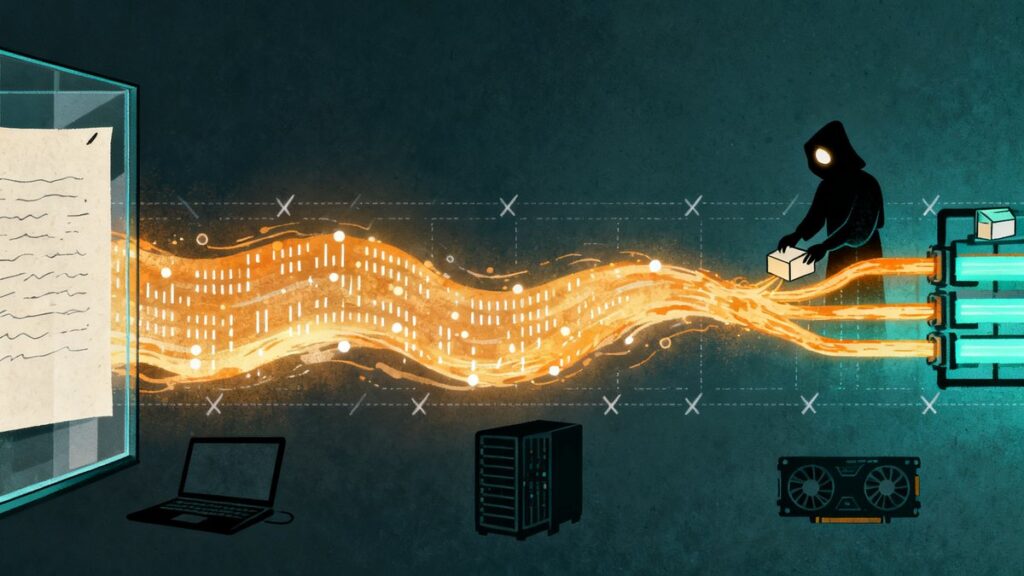
Ten seconds. Roughly the screen time DeepSeek’s 671B-parameter flagship got inside a video that runs eight minutes. On 20 August 2026, Fireship published “DeepSeek just cooked again… Big AI is big scared,” with a description claiming OpenAI “just paused its biggest training run in history just as things were getting interesting.” AI/TLDR logged the upload. Two claims rode out inside that framing. One I can check against a repository. The other lives in a description field, which is copy written to win a click, not a filing.
The checkable half is also the quiet half. DeepSeek keeps publishing model weights under an MIT license that anyone can download, pin. And self-host, running from a 671B-parameter flagship all the way down to a 1.5B distill.
That split carries this entire post.
The OpenAI Pause Claim Has No Source
First pass, I assumed the pause line traced back to some OpenAI post or filing somewhere.
Searched what I have. Nothing. The AI/TLDR entry describes the video as pairing “DeepSeek’s latest open-weights push with OpenAI stopping its biggest training run,” and that pairing is Fireship’s editorial act, not anything OpenAI said.
To be clear, I am not calling the claim false. I am saying I cannot source it, and judging by where it circulates, nobody else can either.
The channel’s format explains the shape of the thing.
Grab the loudest framing of the week, cut it fast, land the jokes, ship an 8-minute video. Every thumbnail needs a face and an arrow, as if a rule somewhere required it. As an early-warning system for the argument developers will be having this week, Fireship is genuinely good. As grounds for an infrastructure decision, it is thin.
Creator coverage tells you which way the room is leaning.
The repository tells you what you are allowed to deploy.
Different instruments, and confusing them gets expensive. The pattern with clients never changes: a viral video creates the question. And somebody still has to answer it with receipts.
This post is the receipts.
DeepSeek Open Weights: The Specs That Got Ten Seconds
Start on GitHub, because GitHub is boring in the way that counts. DeepSeek-V3 is a Mixture-of-Experts model with 671B total parameters, 37B activated per token, and 128K context length.
The weights README resolves the odd figure on Hugging Face: the file reads 685B as it carries 671B of Main Model weights plus 14B of Multi-Token Prediction Module weights. Two components, one download. A download that will as well introduce you to your data cap, politely.
The DeepSeek-R1 repository goes further than the flagship.
R1-Zero and R1, published.
Six dense models distilled from R1 onto Llama and Qwen bases, too published, with checkpoints at 1.5B, 7B, 8B, 14B, 32B, and 70B parameters.
A Hugging Face README note states that DeepSeek-R1-Distill-Qwen-32B “outperforms OpenAI-o1-mini across various benchmarks.” The license is MIT.
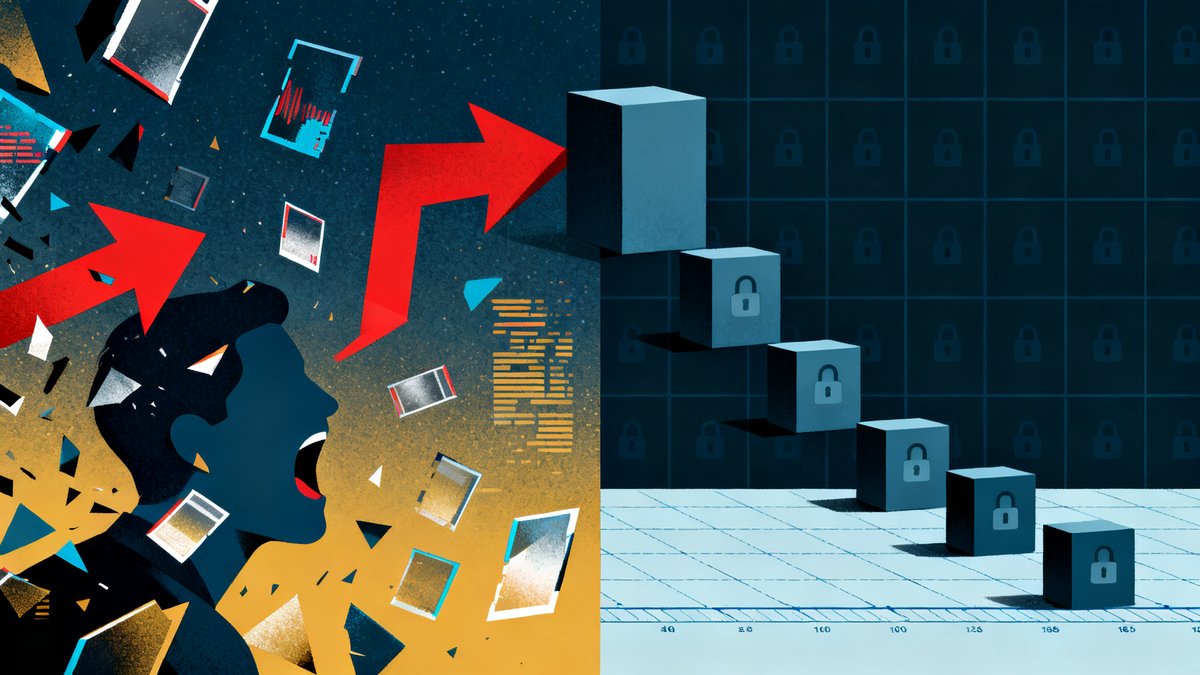
Six checkpoints changes more than it sounds like it changes. You match the size class to the job instead of renting a flagship for everything: a 70B-class model for the hard work, a small distill for the high-volume work. And a documented path between them. Procurement story.
Not a drama story, which is exactly why it got ten seconds of screen time in a video engineered for drama.
Open Weights or Open Source: What DeepSeek Actually Gives You
Wikipedia’s DeepSeek page states the distinction precisely: open-weight means the exact parameters are openly shared. The training data is not openly licensed.
Weights, not source.
So here is the entire inventory of what is yours. Downloadable parameters, MIT on the code and the weights, self-hosting under vLLM, SGLang, or Ollama. Not yours: the training data or its license, the ability to reproduce the training run. And any guarantee the next release keeps this posture. You receive the artifact. Nobody owes you the recipe.
The newest chapter keeps the pattern going.
A Hugging Face blog post reports that the July 31 release promotes DeepSeek-V4-Flash-0731 to production-candidate status and publishes MIT-licensed open weights the same day. DeepSeek’s own API news page links a Hugging Face collection for the V4 preview weights.
Fireship’s video arrived on 20 August 2026 with the drama framing attached, weeks after that quieter release had already shipped. Treat both links as claims to verify against the repo before anything rides on them, since one is a third-party post and the other is a preview announcement rather than a finished GA.
Picking A DeepSeek Checkpoint For Real Work
About a week after the video lands, the client question arrives, shaped by the thumbnail: should the stack be on DeepSeek?
DeepSeek’s own R1 page says the MIT-licensed weights are free to download and self-host, runnable under vLLM, SGLang, or Ollama.
Even the coding-focused line has weights on Hugging Face per the DeepSeek Coder site.
The rest is unglamorous.
Pin a specific checkpoint and its license in writing for any client workload that matters. So a future release cannot quietly change costs or behavior. Test a small distill against the task you actually have, since a 1.5B checkpoint doing the classification beats a rented flagship doing it at 20x the spend. Check the V4-Flash-0731 production-candidate claim against the repo before anything touches production. Read creator coverage for direction, never for facts; Fireship tells you what the room is arguing about. And you still decide where the foundation goes.
The uncomfortable read of the video’s own framing is that “Big AI is big scared” cuts both ways. A lab pausing its biggest run and a lab handing out 671B parameters are making the same quiet statement.
The marginal cost of intelligence is falling. And the job of a small operator is to catch that on the bill, one pinned model at a time.
FAQ on DeepSeek Open Weights
Is DeepSeek open source?
Strictly, no. Weights are shared openly under MIT; the training data is not openly licensed.
Open weights, not open source.
Can DeepSeek be self-hosted commercially?
MIT permits commercial use.
The R1 page lists vLLM, SGLang, and Ollama for running the weights on your own hardware.
Which DeepSeek model size do you need?
Match the checkpoint to the job.
The distill ladder runs 1.5B, 7B, 8B, 14B, 32B.
And 70B, with the 671B-parameter flagship held back for the heavy lifting.
Where did the OpenAI pause claim come from?
Fireship’s video description. Not OpenAI, and not anything in the sourced material.
—
If you want another set of eyes on which models belong in the production stack and which belong in the watch history, that is the work Mediascout does: AI automations for small businesses that pay for themselves. I would rather hand you the weight file than the trailer.