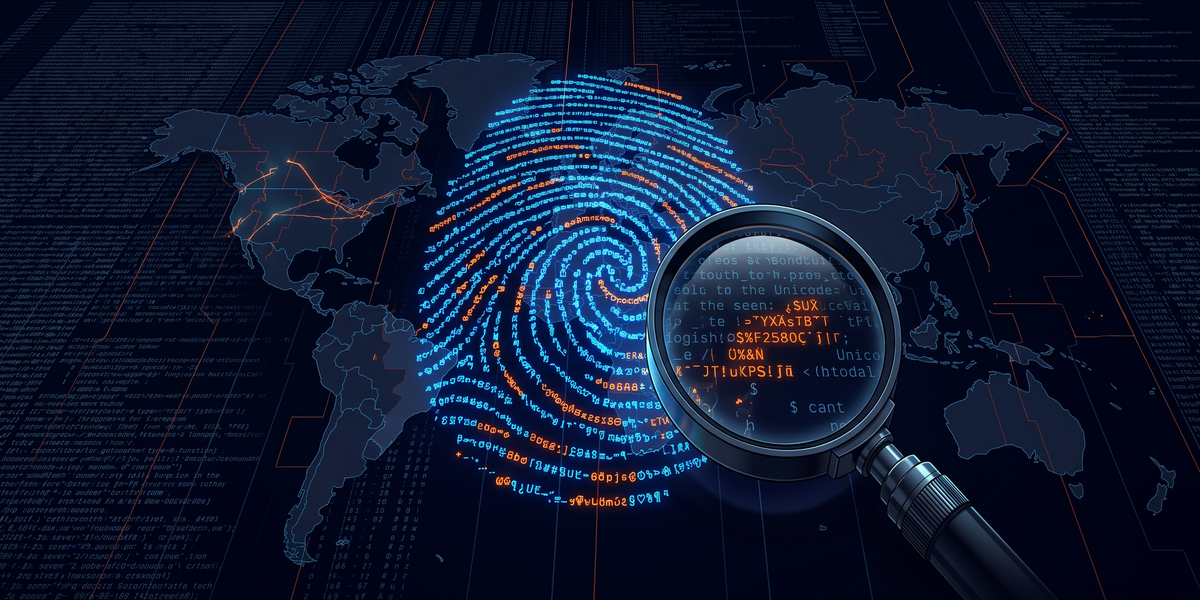
So here’s what happened. A reverse-engineering blog drops a piece claiming Claude Code secretly hides steganographic Unicode watermarks in your system prompt. Tracks your API proxy. Your timezone. The whole thing. It hits the top of Hacker News. It gets a lot of points and comments quickly. YouTube videos follow soon after. X loses its mind. Pulse24.ai runs it. Tech-life-insights.com runs it.
Everyone runs it.
Here’s the thing though.
The evidence? Doesn’t back it up.
What We Actually Know About Claude Watermarking
As of now, zero public proof exists that Claude watermarks anything.
A dedicated analysis on DecEptioner. Which, full disclosure, I actually read before writing this. Put it plainly: “Claude does not appear to carry a recognized watermark right now.” Any watermarking effort looks research-and-development, not production. Anthropic said they care about watermarking. Caring is not shipping.
Third-party sites swear they spot zero-width characters in Claude output. All the usual suspects. Problem? Those claims come from the sites selling the cleaning tools. Not from Anthropic. DecEptioner explicitly calls that stuff unofficial. Unverified. Commercial incentive to find watermarks where there might not be any.
Here’s where it gets interesting. An arXiv study on Unicode text watermarking tested multiple LLMs including Claude. Know what they found? Claude was evaluated as a detector of watermarks from external algorithms. Not an embedder of its own. No tested LLM could reliably extract full watermark secrets without implementation details. And here’s the weird part. Claude sometimes mistook watermarks for versions of “Hello” or “Hello World.” That’s not fingerprinting.
That’s a model confused by noise.
Meanwhile, ChatGPT models? Those actually do embed special Unicode characters. Looks like a regular space, different code point. Reddit users report fresh GPT models “sprinkle invisible Unicode into every other paragraph.” That’s a verified behavior.
Attributing it to Claude requires evidence that doesn’t exist.
The Specific Claim That Went Viral Has No Citation
Let’s talk about the API proxy and timezone fingerprinting part.
The steganography tracking your environment through system prompt markers. Citations? None. Not in DecEptioner. Not in the academic paper. Not in any third-party detector site. Not in the Codacy advisory on hidden Unicode vulnerabilities.
Codacy does confirm something real: hidden non-printing Unicode characters can exploit AI rules or prompts. An AI tool might read characters human reviewers can’t see. That’s a legitimate attack vector. Exploiting hidden directives in a rules file. That’s a thing. But that advisory never attributes such behavior to Claude’s own system prompts.
Feasible is not deployed.
Side note: the docs for some of these watermark detector tools are genuinely terrible.
Like, broken links, outdated screenshots, the works. If they’re the primary source for “Claude is watermarking,” we’re in trouble.
What You Should Actually Do
Forget the panic. Here’s the real stuff.
If you copy-paste AI-generated text into public-facing content, you have no guarantee it’s clean. Hidden zero-width characters survive copy-paste. They can cause unexpected behavior if that text loops back into a prompt or rules file. The fix isn’t buying a specialized cleaner. Pipe your output through a plain-text conversion. Strip formatting. Re-paste as plain text. Basic formatter before using AI text in sensitive contexts. That’s it.
Running Claude Code in a professional context with client deliverables? Ask the right question. Not “is my system prompt watermarked.” Ask: “am I copying unvetted AI output into places it shouldn’t go?” That’s the actual attack surface. The fingerprinting story is a good headline. Not a good reason to change your workflow today.
Anthropic hasn’t shipped an official watermarking system.
The third-party “Claude watermark remover” market is selling solutions to problems that aren’t confirmed to exist. Caveat emptor.
Why These Stories Go Viral Every Single Time
Every week, same arc. Someone reverse-engineers something. Methodology’s opaque. Community wants to believe vendors are doing something sinister. Story spreads faster than fact-check. By the time credible sources weigh in, the narrative’s already cemented.
This one hit especially hard because it dropped around the time of a new version of Claude. Maximum spotlight on the company. Maximum appetite for any story about hidden Anthropic behavior. Timing is not coincidence. It’s also not evidence.
It’s just the conditions that make misinformation go viral.
The three narratives people floated? Developer trust erosion. Anti-China distillation war. Security theater punishing the wrong people. Compelling stuff. Not facts. A compelling narrative without evidence is a story, not a warning.
Go read DecEptioner’s analysis yourself.
The watermark isn’t there. Anthropic’s still working on it. That’s worth knowing.
Key Takeaways
– Claude Code watermarking is unverified. No credible source confirms Unicode steganographic markers tied to API proxy or timezone in system prompts.
– Third-party watermark claims ≠ Anthropic claims. Sites selling “Claude watermark removers” profit from finding watermarks. That’s an incentive, not evidence.
– ChatGPT does show watermark-like behavior. Some models embed identifiable characters that are recognizable. Claude hasn’t been shown to do the same.
– The real Unicode risk is copy-paste. Hidden characters in AI output survive into documents and prompts. Plain-text re-pasting is the practical fix.
– Viral timing isn’t evidence. The Claude watermark story exploded around the time of a new version of Claude. Amplifies attention, not accuracy.
Sources
DecEptioner. Does Claude Watermark AI Text?
GPT Watermark Remover. Remove Claude Watermarks
ChatGPT Watermark Remover. How to Remove Claude Watermark
arXiv. Unicode Text Watermarking Study (2512.13325)
MicroPod. Hidden Watermark Detector
Rumi Docs. ChatGPT Watermark-Like Behavior
Codacy — Hidden Unicode Vulnerability in Rules Files
Reddit r/PromptEngineering — GPT Invisible Unicode Reports