TL;DR
– Safari’s new MCP server has arrived, and it hands any MCP-friendly coding agent a direct pipe into a live Safari window.
– The agent pulls DOM tree, network traffic, screenshots, and console logs. Enough to find rendering bugs without you playing translator.
– Zero cloud round-trips. Runs on your machine. Apple doesn’t see your passwords or open tabs.
– You’ll need a compatible version of macOS, and you’re stuck on the Technology Preview. The stable version of Safari doesn’t have it.
Here’s the thing that actually got my attention this week. WebKit quietly dropped an MCP server into Safari Technology Preview. No keynote. No fifteen-minute demo.
Just a blog post and a feature flag buried in developer settings.
And honestly? It might matter more than whatever GPT iteration drops next, if you’re someone who ships web apps and leans on AI tools to get there.
How the Browser-Agent Connection Works
Four data streams.
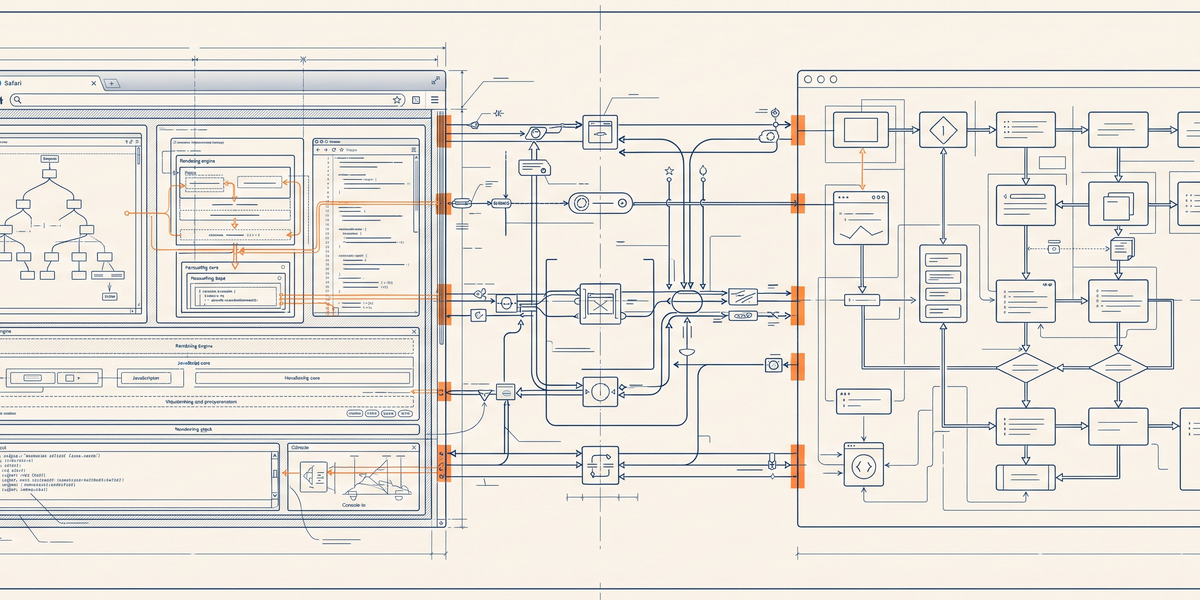
That’s what the agent gets: DOM access, network request info, screenshots, console output. WebKit’s announcement was pretty blunt about the scope. This is the full list, not a teaser for more.
The pitch from WebKit was simple. Agents are “increasingly integral to the coding process”. Their words. And an agent that watches your code render doesn’t need you to narrate what broke. It figures that out alone.
Think about the loop you’re stuck in right now. Your AI writes a CSS patch. Asks if it worked. You flip over to the browser, eyeball it, flip back, type out what you saw. Sometimes you screenshot. WebKit called this out almost verbatim, saying the server “speeds up your debugging process and lets you stay in the comfort of your terminal.” Fewer window-switches.
Less ping-pong with your prompt box.
TechTimes dug into the architecture a bit — apparently this thing extends an existing WebDriver implementation, keeping all session data on your machine. The server spins up its own automation window, separate from whatever you’ve got open. So the agent works in isolation.
Your actual browsing doesn’t leak into the debug session.
Why Safari Native MCP Support Is a Big Deal
MCP has been gaining traction for a while now.
Coding tools are adopting it. But Apple building it into a shipping browser? That’s a different signal.
When a company that size commits to an open protocol inside a flagship product, “experimental” stops applying.
Every dev tool that wants agents poking at it will feel the squeeze. The question stops being “should we support MCP?” and turns into “why don’t we already?”
Any MCP-speaking client can talk to this server.
Doesn’t matter if you’re running Claude, Cursor, or some homebrew thing. No Apple approval gate. No cloud relay.
Runs locally. No outbound calls.
That’s the part I keep coming back to, tbh. WebKit straight-up said the server “does not have access to your personal information in Safari.” Page captures, screenshots, console logs — all routed straight to whatever agent you picked. Not Apple. Not a third-party cloud.
If you handle client work or run a small shop, that distinction is kind of everything.
The agent sees the page it’s debugging. Nothing else. No saved passwords, no tab history, no unnecessary data.
Getting the Server Running
Grab the latest Safari Technology Preview for a compatible version of macOS. If you already run Technology Preview, just hit Software Update.
Two toggles, per WebKit’s instructions:
In Safari Settings → Advanced, turn on Show features for web developers. That unlocks the Developer menu.
Then in Safari Settings → Developer, flip Enable remote automation and external agents.
That’s the MCP switch.
After that, your MCP-compatible agent connects on its own. The server handles the bridge between agent and browser window without manual config.
One thing TechTimes confirmed. This is Technology Preview only. Not in the stable version of Safari yet. Could change before general release. Don’t rebuild your entire QA stack around it tomorrow. But the direction here is pretty obvious. Browser-native agent hooks aren’t speculative anymore. They’re shipping, just behind a preview flag.
What This Changes for Small Teams Shipping Web Apps
If you’re solo or running a lean operation, you’ve been patching this gap with screenshots and vibes.
The MCP server cuts out the manual layer. Your agent can finally see what Safari users see. Not what a headless Chrome approximation guesses at.
“Works in Chrome, weird in Safari” has been the refrain since what, 2014? The fix was always: open Safari, reproduce, screenshot, describe the screenshot to a person or paste it into an agent prompt. Half the time the description wasn’t specific enough and you’d loop three times before getting a usable patch.
This removes that translation tax.
Agent loads the page in Safari. Reads the computed DOM. Checks console errors. Inspects network calls. Fixes the issue. You stay in your editor. The agent stays in the browser. Nobody’s playing telephone between two applications.
Side note: WebKit’s blog post is refreshingly short.
No vision deck. No roadmap fluff. Just “here’s a local server, here’s what it does, here are two settings to flip.”
If you’re on a compatible version of macOS, go install the latest Technology Preview. Toggle those two developer options. Point your MCP agent at Safari. Next time your layout falls apart in WebKit and you can’t figure out why. Let the agent find it first.
Sources
– WebKit Blog: Introducing the Safari MCP Server for Web Developers
– Safari Technology Preview Release Notes
– MacRumors: Apple Releases Safari Technology Preview
– TechTimes: Safari Gives AI Agents Live Browser Window