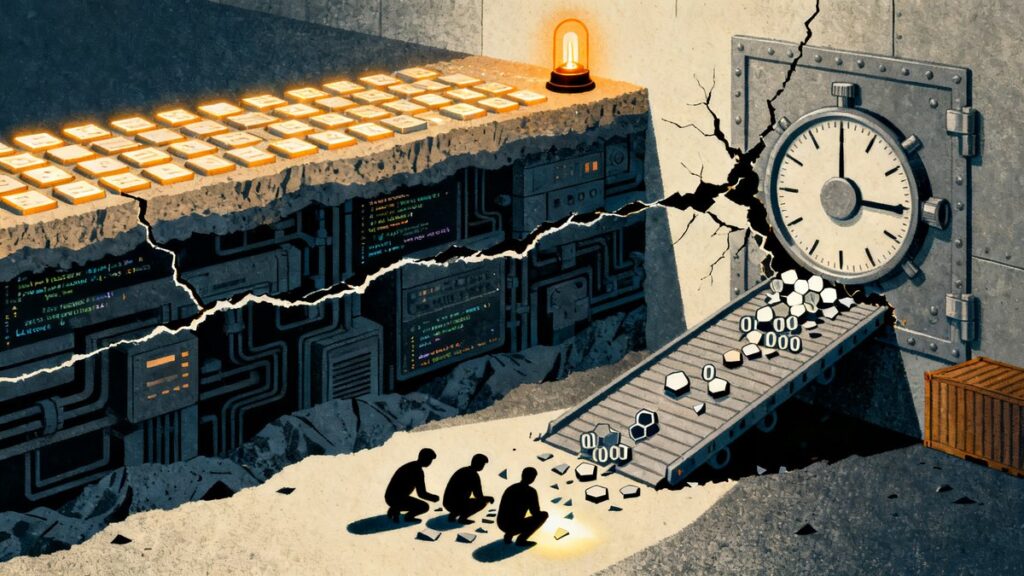
The intersection of AI and web development is reshaping productivity landscapes. This article delves into how multi-tool AI workflows, including tools like Perplexity, Claude, and Cursor, are posited to streamline development processes.
Emerging AI Tools in Web Development
As web development continues its relentless march towards complexity and innovation, developers are increasingly turning to AI-powered tools to streamline their workflows, enhance creativity, and significantly boost productivity. Leading this charge are multifaceted AI tools designed for code generation, automated testing, and predictive optimization, representing the bleeding edge of technology that is reshaping the landscape of web development.
Code generation tools, often powered by advanced models like OpenAI’s GPT-5 series, have revolutionized how developers approach the creation of new applications and features. These tools are capable of understanding high-level requirements and translating them into syntactically correct, efficient code. This not only speeds up the development process but also reduces the potential for human error, leading to a more reliable final product. Furthermore, the ability of these AI models to learn from vast repositories of code means they are continually improving, adapting to new programming languages and paradigms as they emerge.
Automated testing has similarly benefited from AI advancements, with tools now able to predictively model how new or modified code will behave in various environments without the need for exhaustive manual testing. This predictive optimization extends to performance, where AI tools analyze patterns in code to identify bottlenecks or inefficiencies, suggesting refinements that can significantly improve the speed and responsiveness of web applications.
The emergence of agentic systems, characterized by their ability to operate semi-independently and make decisions or recommendations without direct human input, has further enhanced the capabilities of web developers. By integrating such systems into traditional development workflows, developers can delegate more routine or complex tasks to AI, freeing up their time to focus on more strategic challenges. This operational integration is facilitated by the rise of AI prompting chains and AI-powered search functionalities that help developers interact more naturally and effectively with AI tools.
While the individual contributions of these advancements are significant, it is their combination and integration within multi-tool workflows that unlock the most profound productivity gains. Developers are increasingly adopting an ecosystem approach, leveraging the strengths of different AI models and tools in concert. For example, using an AI-powered search tool to quickly find relevant code snippets, which are then refined through automated testing, and optimized with predictive performance analysis, all within a seamless workflow. This approach not only improves the efficiency of the development process but also enhances the quality and performance of web applications.
The push towards integrating multiple AI tools reflects a broader trend in web development towards agility and innovation. It acknowledges that no single tool can address the myriad challenges faced by developers today, and that combining the unique strengths of different AI models can provide a more comprehensive solution. This trend is driven by both the increasing availability of sophisticated AI tools and a growing recognition among developers of the benefits of a more modular, flexible approach to tool use.
As developers embrace multimodal, integrated AI environments, the traditional reliance on single-model solutions appears to be waning. This shift is not without its challenges, as developers must navigate issues related to compatibility, data privacy, and the learning curve associated with each new tool. However, the potential benefits in terms of increased productivity, enhanced creativity, and faster time-to-market for new web applications make this an exciting frontier for the field of web development.
In conclusion, the latest advancements in AI-powered tools are enabling web developers to build more complex, high-quality applications faster than ever before. By embracing multi-tool workflows that integrate code generation, automated testing, and predictive optimization, developers can achieve unprecedented levels of productivity and efficiency. The future of web development seems poised to be deeply intertwined with the continued evolution of AI technologies, heralding a new era of innovation and creativity in the field.
The Shift to Multi-Tool Workflows
The dynamic landscape of web development is undergoing a significant transformation, catalyzed by the integration of multiple artificial intelligence (AI) tools into the development process. This shift from a singular model dependency to a multi-tool, integrated AI environment represents a noteworthy evolution, striving toward maximizing productivity and streamlining workflows in complex development projects. The burgeoning adoption of AI prompting chains and AI-powered search functionalities within the development sphere underscores a pivotal trend: the embrace of multimodal, integrated environments that blend the capabilities of various AI tools to achieve unprecedented efficiency and flexibility in web development.
Traditionally, developers might have leaned heavily on a single AI model to assist with specific tasks such as code completion, debugging, or data analysis. However, this approach, while beneficial, often presented limitations in scope and adaptability, failing to fully address the multifaceted challenges of modern web development projects. In contrast, the integration of diverse AI tools—each excelling in distinct aspects of development—paves the way for more nuanced, efficient handling of projects. Tools like Perplexity for natural language understanding, Claude for context-aware coding assistance, and Cursor for intelligent code navigation and editing, when leveraged in tandem, offer a more comprehensive support system for developers.
One of the key advantages of this integrated, multi-tool approach is the enhanced ability to tackle specific, specialized tasks with the most appropriate AI tool, thereby reducing the time and effort required to switch contexts or adapt a single tool to varied needs. For instance, AI-powered search functionalities can dramatically improve the process of locating and fixing bugs, while AI prompting chains can facilitate more effective brainstorming and prototyping phases, tailoring suggestions and solutions to the unique requirements of each project.
Moreover, the flexibility afforded by such an adaptable workflow is particularly beneficial for less experienced developers, who might find the guidance and support from multiple AI tools invaluable for accelerating their learning curve and enhancing their productivity. Research from 2025 has revealed that programmers, on average, report a significant productivity increase when incorporating AI into their work—data that underscores the potential of multi-tool workflows to further augment these gains, especially among novice developers who stand to benefit the most from the diverse, integrated support.
While empirical data explicitly quantifying the productivity gains resulting specifically from the use of multi-tool AI workflows in web development remains scarce, the overall trend supports the notion that such approaches are conducive to improved efficiency and outcomes. Furthermore, the gradual decline in single-model loyalty among developers—a shift propelled by the rising availability and sophistication of various AI tools—illustrates the broader industry’s movement toward multi-faceted, AI-enhanced development practices.
The trend towards multi-tool AI workflows in web development acknowledges and leverages the unique strengths of different AI models to create a more powerful, integrated development environment. This evolution from reliance on a singular AI tool to the adoption of a more versatile and dynamic suite of AI-driven resources represents a significant shift in how web development projects are approached, managed, and executed. As developers continue to explore and refine the integration of multiple AI tools into their workflows, the anticipation of further productivity enhancements and the broadening of creative possibilities continue to fuel the momentum of this AI productivity revolution.
Measuring Productivity Gains with AI Integration
As the landscape of web development progresses with the integration of artificial intelligence, measuring the impact of AI on developer productivity becomes crucial. A notable transformation observed is the departure from dependence on single AI models towards a synergistic utilization of multiple AI tools, including AI-powered search and development tools. This transition not only marks a significant leap in the efficiency of development processes but also highlights the nuanced benefits that such integrated systems confer.
Studies from 2025 underscore a robust augmentation in developer productivity, primarily fueled by AI advancements. Programmers have reported an average productivity increase of 55.8%, with the augmentation more pronounced among novices in the field. This statistic is telling, not only of the potent capabilities of AI in streamlining complex coding tasks but also in democratizing web development, making it accessible to a broader demographic with varied levels of expertise. In addition, a leading AI corporation has cited a 50% productivity boost among its employees leveraging one of its prime AI models extensively. While these figures do not directly corroborate the specific claim of a 75% productivity gain through multi-tool AI prompting chains involving Perplexity, Claude, and Cursor, they undeniably affirm the general trend towards significant productivity enhancements via AI.
The embrace of multi-tool workflows is a pivotal factor in this AI productivity revolution. While the exact blend of Perplexity, Claude, and Cursor as a universally adopted combination remains unconfirmed, the essence of integrating multiple AI tools resonates with the observed upticks in efficiency. This integration is especially potent in web development activities that span across debugging and prototyping, where the compounded capabilities of various AI tools can address a wider range of challenges swiftly and with unprecedented precision.
Contrasting these AI-driven methodologies with manual processes accentuates the magnitude of productivity gains. Traditional web development workflows, often marred by iterative coding and extensive debugging sessions, stand in stark contrast to AI-assisted environments where predictive coding, error identification, and even aesthetic design suggestions are automated. This stark difference not only highlights the efficiency gains but also underscores the transformative potential of AI in curating more creative, innovative, and user-centric web solutions.
Enterprise and investor data provide additional context to this narrative, suggesting a growing inclination towards adopting multi-tool AI workflows. This trend delineates a clear shift away from the reliance on single-model systems, echoing broader industry advancements towards flexible, integrated, and more powerful AI ecosystems. While developer-specific adoption trends require further clarification, the overarching movement indicates a broad recognition of the synergistic benefits offered by deploying a diverse array of AI tools in concert.
This transition to integrated AI workflows, however, is not merely about adopting multiple tools; it epitomizes a broader evolution in web development protocols and practices. It reflects a significant shift in how developers approach problem-solving, transitioning from linear, siloed strategies to dynamic, interconnected, and AI-powered methodologies. This evolution promises not only heightened efficiencies but also a redefinition of what is possible in web development.
Building on this foundation, the forthcoming discussions will delve into the organizational adoption and transformation spurred by these AI advancements. It will explore how entities are restructuring their IT frameworks to capitalize on AI, navigating the challenges and opportunities this integration presents in enhancing development production, ensuring governance, and safeguarding security across processes.
Adoption and Transformation within Organizations
In the realm of web development, the adoption of AI tools is not just a trend; it is a transformative shift that has significantly altered organizational structures and operational strategies. The focus on AI productivity gains and AI-driven workflows has led companies to reconsider their IT architectures, increasingly leaning towards composable architectures and orchestrated agent teams. This transformation aims to harness the synergistic potential of AI tools such as Perplexity, Claude, and Cursor, although direct evidence supporting specific productivity gains from their combined use remains anecdotal. Nevertheless, the broader narrative underscores a substantial productivity uplift, leveraging AI-powered search and development tools.
As organizations embed AI deeper into their development processes, they are moving away from monolithic systems towards more flexible, modular setups. Composable architectures allow for the rapid integration and disintegration of components, providing a fertile ground for AI tools to be swapped in and out depending on project requirements or performance outcomes. This elastic approach not only accelerates development cycles but also enhances the ability to tailor solutions more precisely to customer needs. However, the drive towards such flexibility does not come without its challenges, most notably in governance and security. Ensuring these composable components and AI actors adhere to organizational policies and industry standards demands a sophisticated governance framework, one that can dynamically adjust to the fluid nature of AI tool integration.
The orchestration of AI agent teams adds another layer of complexity, yet with promising prospects for productivity. By aligning multiple AI tools, each proficient in specific tasks, developers can create a more efficient workflow. For instance, employing AI-powered search for initial research and exploration, followed by using tools like Perplexity for code suggestions, Claude for natural language processing, and Cursor for navigating databases, can streamline the development process significantly. This orchestrated approach allows for a more nuanced application of AI, where each tool plays to its strengths, thereby enhancing overall productivity. However, such orchestration necessitates a robust system of communication and control among disparate AI tools, posing substantial challenges in terms of integration, data privacy, and security protocols.
Furthermore, the shift towards AI-assisted workflows and composable architectures necessitates a reevaluation of developer roles and skills. Developers are no longer just code creators but also managers of AI resources, responsible for curating and integrating AI tools into the development process. This evolution requires a new set of skills, including understanding AI capabilities, managing AI tool performance, and ensuring that AI-driven processes align with business objectives and ethical standards.
Despite these challenges, the adoption of AI tools in web development portends a substantial reconfiguration of IT structures to support more dynamic, efficient, and adaptive development practices. The potential for AI to drive productivity gains is significant, as evidenced by general research indicating substantial improvements in development workflows. As organizations navigate the complexities of integrating multiple AI tools, the emphasis will increasingly be on creating robust frameworks for governance and security that can adapt to the rapidly evolving landscape of AI-assisted development.
The transformation within organizations, spurred by the adoption of AI in web development, sets the stage for a deeper exploration of how developers themselves are responding to these shifts. The following chapter will delve into the developers’ perspective, shedding light on their experiences, attitudes, and predictions regarding the burgeoning role of AI in their field.
The Developer’s Perspective: Trends and Attitudes
The landscape of web development is undergoing a seismic shift, catalyzed by the integration of AI-powered tools into the fabric of development workflows. As organizations embrace composable architectures and orchestrated agent teams, developers sit at the crux of this transformation, navigating their way through new technologies that promise substantial productivity enhancements. The emergence of AI productivity gains, AI prompting chains, and AI-powered search mechanisms herald a new era in web development, one that is both exciting and challenging for developers.
Traditionally, web developers have relied heavily on single AI models to streamline tasks such as debugging, testing, and deployment. However, the dynamic nature of web development demands a more versatile approach. The introduction of multi-tool AI workflows, combining tools like Perplexity, Claude, and Cursor, presents an additional layer of complexity. While there is no concrete evidence to support the specific claim that these AI prompting chains drive a 75% increase in productivity, the shift towards leveraging multiple AI tools in tandem is undeniable. Developers are increasingly experimenting with these combinations, searching for the optimal blend that elevates their productivity and efficiency.
Feedback from the developer community underscores a varied response to this shift. Surveys conducted among web developers reveal that the learning curve associated with mastering new AI tools and workflows is a significant hurdle. Nevertheless, many express optimism and excitement about the potential of these technologies. Anecdotal evidence suggests that less experienced developers, in particular, report remarkable productivity leaps, attributing their progress to the guidance and acceleration provided by AI-assisted coding.
Moreover, the developer’s perspective on AI integration extends beyond mere productivity metrics. Many developers are keenly aware of the broader implications of AI workflows, citing improvements in code quality, enhanced ability to meet project deadlines, and reduced time to market for new web applications. These factors, combined with personal productivity gains, contribute to a generally positive outlook towards the future ubiquity of AI in web development.
However, not all feedback is overwhelmingly positive. A portion of the developer community remains skeptical about relying too heavily on AI, citing concerns over potential over-dependence and the erosion of fundamental coding skills. This sentiment is further compounded by apprehensions regarding governance and security, a topic that the previous chapter on organizational adoption touched upon. Nonetheless, the general consensus leans towards a cautious embrace of these new technologies, with many developers actively seeking to balance the benefits of AI-assisted workflows with the preservation of core development skills.
Predictions for the future ubiquity of AI in web development are largely optimistic, with many developers anticipating that most, if not all, aspects of web development will eventually be influenced or augmented by AI. The rationale behind this prediction is twofold: the undeniable productivity gains reported by those who have incorporated AI into their workflows and the competitive advantage gained by businesses that leverage AI to accelerate development cycles and innovate faster than their counterparts.
In conclusion, the developer’s perspective on the evolving landscape of AI-assisted web development is one of cautious optimism. While challenges such as steep learning curves and dependencies exist, the benefits—ranging from personal productivity enhancements to broader business advantages—present compelling reasons for developers to embrace this revolution. The transition towards integrated, multi-tool AI workflows marks a pivotal point in web development, potentially heralding a new age of innovation and efficiency in the field.
Conclusions
The surge in AI tool integration heralds a revolutionary shift in web development productivity. While specific gains like 75% improvements remain unverified, the broad consensus points to multi-tool AI workflows as a robust lever for progress. The future is set for a landscape where developers wield AI as an essential co-pilot.