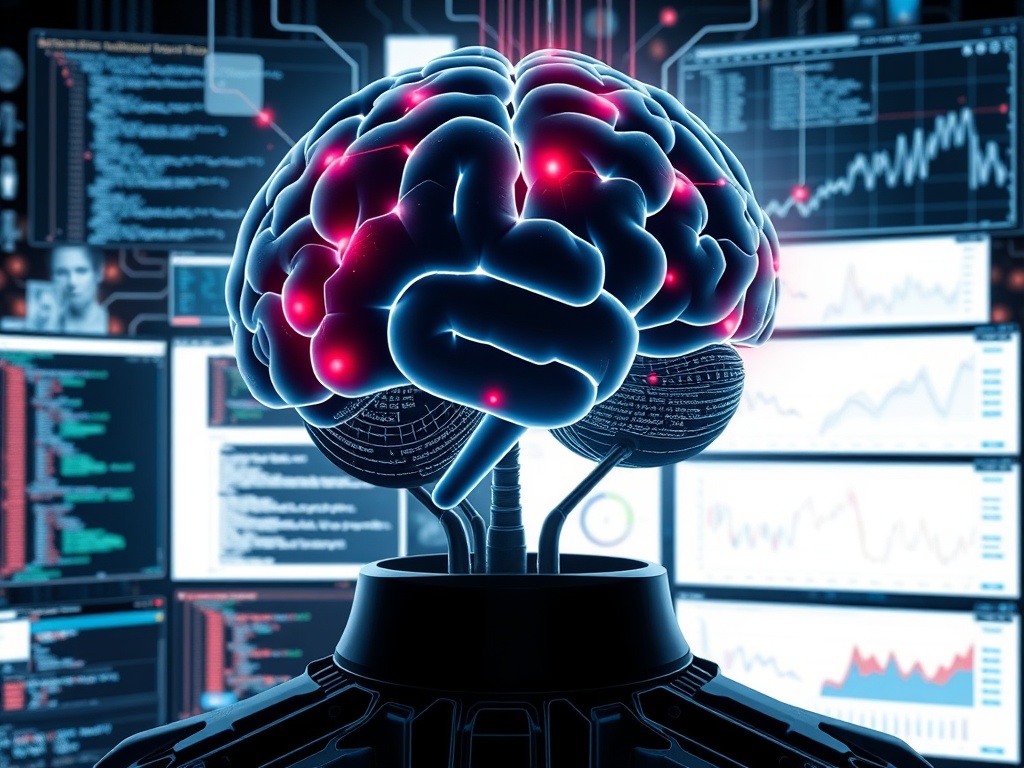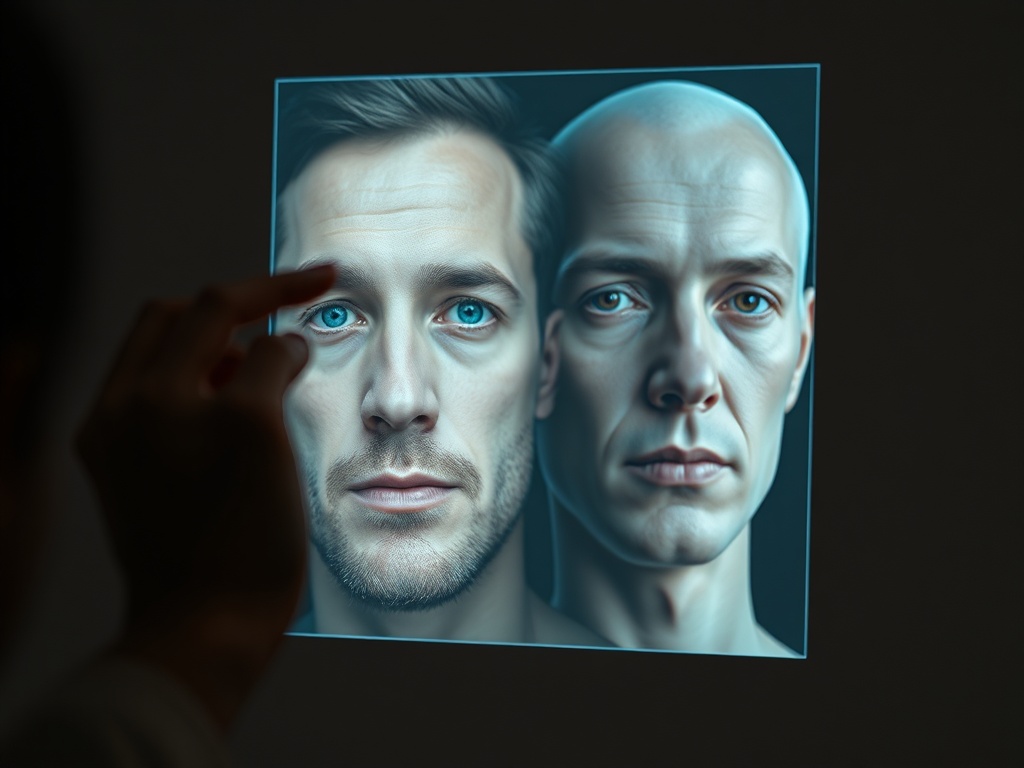
In a world where synthetic media blurs the line between reality and fiction, the phenomenon of deepfakes demands urgent attention. This article critically examines the ethical quandaries and policy implications of digitally altered content.
The Rise of Synthetic Media
The emergence of synthetic media, powered by the rapid advancements in artificial intelligence (AI) and machine learning, has initiated a profound transformation in how content is created, consumed, and perceived. This digital alchemy, which fabricates hyper-realistic audio, images, and videos, colloquially known as deepfakes, is burgeoning at an unprecedented pace, infiltrating sectors ranging from entertainment to politics, and raising significant ethical debates and policy concerns about regulation of deepfakes.
At the core of its proliferation is the breakthrough technology that renders the creation of deepfakes not only accessible but alarmingly easy for individuals with modest computer skills. These advanced AI algorithms learn from vast datasets of real audio, images, or video clips to produce counterfeit versions that can be indistinguishably close to genuine content. The evolution of this technology has been so meteoric that synthetic media can now replicate a person’s voice, facial expressions, and even body movements with such precision that the untrained eye can hardly distinguish real from fabricated.
The insinuation of synthetic media into the entertainment industry showcases both its potential and peril. Filmmakers harness deepfake technology to de-age actors, resurrect deceased icons for performances, or amend films in post-production seamlessly. However, the flip side reveals a darker spectrum where deepfakes are employed to create non-consensual adult content or malicious spoofs, infringing on privacy, dignity, and consent.
Equally alarming is the infusion of deepfakes in the political arena, where they carry the potential to fabricate news, impersonate political leaders, and spread disinformation. The ease with which public opinion could be swayed by counterfeit messages masquerading as trusted figures poses a dire threat to the integrity of democracies worldwide. Thus, navigating the ethical implications of AI-generated content becomes a critical challenge, requiring a nuanced understanding of the balance between innovation and ethical responsibility.
The regulation of deepfakes and policy formulation on synthetic media is teetering on a tightrope, striving to safeguard individuals’ rights without stifling technological advancement. The ethical debates surrounding synthetic media are multifaceted, delving into the realms of consent, truthfulness, harm prevention, and the right to privacy. Each of these aspects underscores the urgent need for a comprehensive and agile regulatory framework that can adapt to the rapid pace of technological change, ensuring that while synthetic media continues to evolve, it does so within a realm that respects and upholds ethical standards.
To mediate the ethical and policy challenges of synthetic media, stakeholders across sectors must engage in open dialogues, fostering collaborations that can lead to the development of technical solutions to detect synthetic media, legal frameworks to address its misuse, and educational initiatives to raise awareness about its existence and implications. The aim is to cultivate a digital ecosystem where innovation thrives but is tethered to a strong ethical foundation that prevents harm and preserves trust in the media landscape.
As we stand at the crossroads of technological innovation and ethical responsibility, the discourse on the ethical implications of AI-generated content and regulation of deepfakes is not merely academic but a societal imperative. By navigating these complex waters with a mindful approach that values ethics as much as innovation, we can harness the potential of synthetic media to enrich our lives while ensuring it does not compromise our societal values. The journey through the mirage of synthetic media is fraught with challenges, but with informed policy decisions and ethical considerations, it is possible to navigate this landscape responsibly and beneficially.
Deciphering Deepfake Technology
At the heart of the burgeoning world of synthetic media lies the technology known as deepfakes, a portmanteau of “deep learning” and “fake.” These are hyper-realistic digital fabrications where artificial intelligence (AI) and machine learning algorithms deftly blend, splice, and overlay audio or video content to create counterfeit representations that appear alarmingly convincing. The underlying technology ingeniously manipulates existing media, adjusting facial expressions, syncing lip movements, or mimicking voices with enough precision to deceive the human eye and ear.
The technical foundation of deepfakes is rooted in sophisticated AI frameworks, particularly those involving deep learning methodologies like Convolutional Neural Networks (CNNs) and Generative Adversarial Networks (GANs). CNNs are adept at analyzing and understanding the visual complexity of images, which is crucial for identifying and replicating the nuances of human faces in video content. GANs, on the other hand, consist of two parts: a generator that creates images or sounds that are indistinguishable from real content, and a discriminator that evaluates the authenticity of the generated content. Through a continuous contest, the generator learns to produce increasingly realistic outputs, thereby enhancing the deception.
This process initiates with the collection of extensive datasets comprising video or audio clips of the target subject. The more data available, the more refined and convincing the deepfake can become. AI algorithms then analyze these datasets to recognize patterns and features that define the subject’s appearance or voice. Following this, the creation phase involves either swapping faces in videos or modulating audio to clone a person’s voice, all done with an attention to detail that preserves the natural quirks and nuances characteristic of the individual.
The implications of this technology are vast and multifaceted, touching upon the regulation of deepfakes, the ethical implications of AI-generated content, and policies on synthetic media. As we delve deeper into uncharted territories, the ethical debates surrounding synthetic media and deepfakes become increasingly complex. Questions of consent arise when individuals find their likenesses used without permission, leading to potential personal and professional ramifications. The ease with which AI can generate convincing disinformation presents a serious challenge to maintaining trust in the digital information ecosystem, emphasizing the urgent need for comprehensive policies and regulations to address these issues.
In navigating these ethical debates, it’s imperative to strike a balance between harnessing the innovative potential of AI-generated content and safeguarding the public against its potential harms. The technical sophistication of deepfakes, highlighted by their reliance on AI and machine learning, posits a real challenge for detection methods, further complicating regulation efforts. As we consider the future landscape of digital content, the policy on synthetic media must evolve in tandem with these technological advancements, ensuring robust mechanisms are in place to detect, regulate, and mitigate the impact of deepfakes.
Integrating these considerations, the following chapter will delve into the ethical dimensions that emerge in the age of AI. Assessing the impact of AI-generated content necessitates a closer examination of issues such as consent, misinformation, and potential abuse. Highlighting case studies of deepfakes with significant social impact will elucidate the paramount importance of addressing these ethical considerations, laying the groundwork for a regulatory framework that encompasses the complexity and dynamism of synthetic media.
Ethical Considerations in the Age of AI
As we navigate deeper into the realm of artificial intelligence (AI) and its capacity to generate ever more convincing synthetic media, including deepfakes, it becomes imperative to confront the ethical challenges they present. The ethical debates around synthetic media and deepfakes delve into complex territories, touching on consent, misinformation, and the abuse of these technologies. Highlighting case studies, this chapter will explore the significant social impacts of AI-generated content and underscore the urgent need for comprehensive regulation and ethical guidelines.
The consent of individuals used in AI-generated content, particularly deepfakes, poses a primary ethical concern. The ability to manipulate images and videos with such sophistication that it becomes difficult to distinguish real from fake raises serious questions about consent. High-profile cases, like the manipulated videos of politicians to spread misinformation or the creation of non-consensual explicit material using the likenesses of celebrities, illustrate the profound personal and societal consequences of these actions. In such instances, the individuals portrayed in the deepfakes have not consented to their images being used, leading to a direct violation of their privacy and agency.
Moreover, the issue of misinformation exacerbates the ethical dilemmas surrounding deepfakes. The 2016 and 2020 U.S. presidential elections highlighted the potential of synthetic media to influence public opinion and the electoral process through the dissemination of fake news. Deepfakes can be weaponized to undermine democracy, incite violence, and spread falsehoods, making it a matter of ethical urgency to address their circulation. The viral spread of manipulated content about political figures or events can have wide-reaching impacts on society, from eroding trust in media to inciting geopolitical tensions.
Another pressing ethical concern is the potential abuse of deepfake technology. Beyond creating misleading content, there is a fear of deepfakes being used for fraud, blackmail, and even digital impersonation in criminal activities. The case of a CEO fooled into transferring funds by a deepfake voice of a trusted subordinate is a stark reminder of the technology’s potential misuse. Such instances spotlight the ethical imperative to regulate AI-generated content to prevent and mitigate its abuse.
The ethical debates around deepfakes and synthetic media are further complicated by the dual-use nature of AI technologies. While they hold immense potential for advancements in entertainment, education, and even healthcare, there exists a thin line between beneficial use and ethical misuse. Establishing clear ethical guidelines and regulatory frameworks is crucial in navigating these challenges. For instance, developing technologies that can reliably detect deepfakes and ensuring transparency in AI-generated content are steps towards mitigating the ethical risks. Additionally, fostering public awareness about the capabilities and limitations of AI can empower individuals to critically engage with synthetic media.
In conclusion, the ethical considerations surrounding AI-generated content, particularly deepfakes, are multifaceted, encompassing issues of consent, misinformation, and the potential for abuse. Through the examination of significant case studies, it becomes evident that these technologies can have profound social impacts, necessitating a proactive approach to regulation and ethics. As we move forward into discussing policymaking in uncharted waters in the next chapter, the foundations laid in understanding the ethical dimensions of synthetic media will be crucial in navigating the complexities of regulating these technologies.
Policymaking in Uncharted Waters
Policymaking in the realms of deepfakes and synthetic media stands at the crux of a technological conundrum, navigating the fine line between fostering innovation and ensuring ethical integrity in the digital age. Lawmakers across different governmental levels are confronted with the Herculean task of crafting policies that address the multifaceted challenges posed by the rapid advancement of artificial intelligence (AI)-generated content. This chapter explores the existing and proposed regulations concerning synthetic media, delving into the obstacles legislators face in this dynamic tech landscape.
The ethical debates surrounding synthetic media and deepfakes, as discussed in the previous chapter, present a palpable backdrop against which the need for effective regulation becomes starkly evident. Issues of consent, misinformation, and potential misuse highlight the imperative for a robust policy framework that can aptly navigate the ethical and societal ramifications of AI-generated content. Yet, the task at hand is far from straightforward. Legislators must juggle the imperative to safeguard the public interest with the need to nurture the burgeoning potential of AI technologies. This demands a nuanced understanding of both the technical underpinnings of synthetic media and the evolving societal norms that these technologies intersect with.
Existing policies on synthetic media vary substantially across jurisdictions, reflecting the diverse regulatory philosophies and legal frameworks that govern digital content worldwide. Some countries have instituted laws specifically targeting the malicious creation and distribution of deepfakes, recognizing the profound risks they pose to individuals’ privacy, reputational rights, and even national security. For instance, legislation in certain states within the United States mandates the explicit consent of individuals for the creation or dissemination of deepfake content that features their likeness. Meanwhile, broader regulations in the European Union, encompassing data protection and digital services acts, provide a comprehensive legal framework that indirectly impacts the circulation of synthetic media.
The challenges lawmakers face in regulating this domain are manifold. The foremost amongst these is the rapid pace of technological evolution, which often outstrips the legislative process. Policies crafted today may quickly become obsolete, failing to encapsulate new forms or uses of AI-generated content that emerge tomorrow. Moreover, there is a significant tension between curbing the harmful impacts of synthetic media and preserving the pillars of freedom of expression and the open innovation ecosystem. Striking a balance requires a deep engagement with both the technical community generating these innovations and civil society that bears the impact of its application.
Another pressing issue is the global nature of the internet, which necessitates a coordinated international response to the regulation of synthetic media. The cross-border dissemination of deepfakes makes it challenging to enforce national laws, pointing to the need for harmonized legal standards and collaborative enforcement mechanisms at the international level. This endeavor, however, is fraught with complexities due to divergent political, cultural, and legal traditions across countries.
In sum, policymakers tread in uncharted waters as they endeavor to craft regulations that address the ethical and societal implications of synthetic media and deepfakes. The task is daunting but imperative to ensure that the revolutionary potential of AI technologies is harnessed responsibly. Success in this arena demands a forward-looking approach that is flexible enough to adapt to technological advancements, grounded in a deep understanding of the ethical implications of AI-generated content, and committed to fostering an environment where innovation can thrive alongside robust protections for individual rights and societal well-being. The following chapter delves into future directions and safeguards that could offer a framework for achieving this delicate balance.
Future Directions and Safeguards
In the context of the rapidly evolving domain of synthetic media and deepfakes, the dialogue has transitioned from understanding the breadth of policy challenges to identifying actionable strategies for mitigation and control. The ethical debates surrounding synthetic media and deepfakes have made it evident that a multifaceted approach, encompassing technological solutions, industry self-regulation, and enhanced public awareness, is critical for navigating this complex terrain.
Technological solutions play a pivotal role in the arms race against malicious deepfakes. Advancements in digital watermarking and the development of detection algorithms are at the forefront of this battle. Digital watermarking has the potential to embed invisible markers in genuine content, helping distinguish it from AI-generated content. Concurrently, continuous improvement in detection algorithms, powered by artificial intelligence itself, has shown promise in identifying deepfakes with increasing accuracy. However, the effectiveness of these technological tools hinges on their ability to stay ahead of the evolving capabilities of deepfake technology. Thus, sustained research and development, supported by adequate funding and collaborative efforts across international borders, are paramount to ensure that these solutions remain robust and effective.
Industry self-regulation emerges as another critical avenue in addressing the challenges posed by synthetic media. Leading technology companies and content platforms have a significant role to play in establishing ethical guidelines and standards for the creation and dissemination of synthetic media. This includes transparent policies on the use of deepfakes, clear labeling of AI-generated content, and strict protocols for content that seeks to deceive or harm. The voluntary adoption of ethical best practices by industry players can serve as a valuable mechanism for preemptively mitigating the risks associated with synthetic media, without waiting for the often slower processes of governmental policy-making.
Amid these strategies, the role of public awareness cannot be overstated. Educating the general audience about the existence and implications of deepfakes and synthetic media is crucial for fostering a discerning viewership that can critically evaluate the content they consume. Initiatives aimed at enhancing digital literacy, such as workshops, online courses, and educational campaigns, can empower individuals with the knowledge and tools needed to navigate the digital landscape more safely. Furthermore, cultivating an informed citizenry supports a broader societal discourse on the ethical use of technology, building consensus on acceptable norms and behaviors in the digital age.
As we look toward future directions in the regulation of deepfakes and synthetic media, a balanced approach that embraces technological innovation while safeguarding ethical standards and societal values is essential. Collaboration across sectors — including governments, technology companies, academia, and civil society — is vital to formulate and implement effective responses. Additionally, international cooperation is key, as the digital realm transcends national boundaries, necessitating global solutions to address the challenges posed by synthetic media. By adopting a holistic approach that leverages technology, promotes self-regulation, and enhances public awareness, we can strive to create a digital ecosystem that respects ethical imperatives and fosters trust.
Ultimately, the journey toward effective regulation of deepfakes and synthetic media is an ongoing process of adaptation and learning. As the landscape of digital content continues to evolve, so too must our strategies for managing its implications. By staying informed, engaged, and proactive, society can navigate the mirage of synthetic media, ensuring that technological advancements serve to enhance, rather than undermine, the public good.
Conclusions
The advent of deepfakes signifies a transformative era in digital media that intersects with the core values of truth and trust in society. Regulation, while complex, is imperative to navigate these synthetic waters without losing sight of ethical anchors.