IoT and Interactive Web Experiences: Bridging the Physical and Digital Worlds
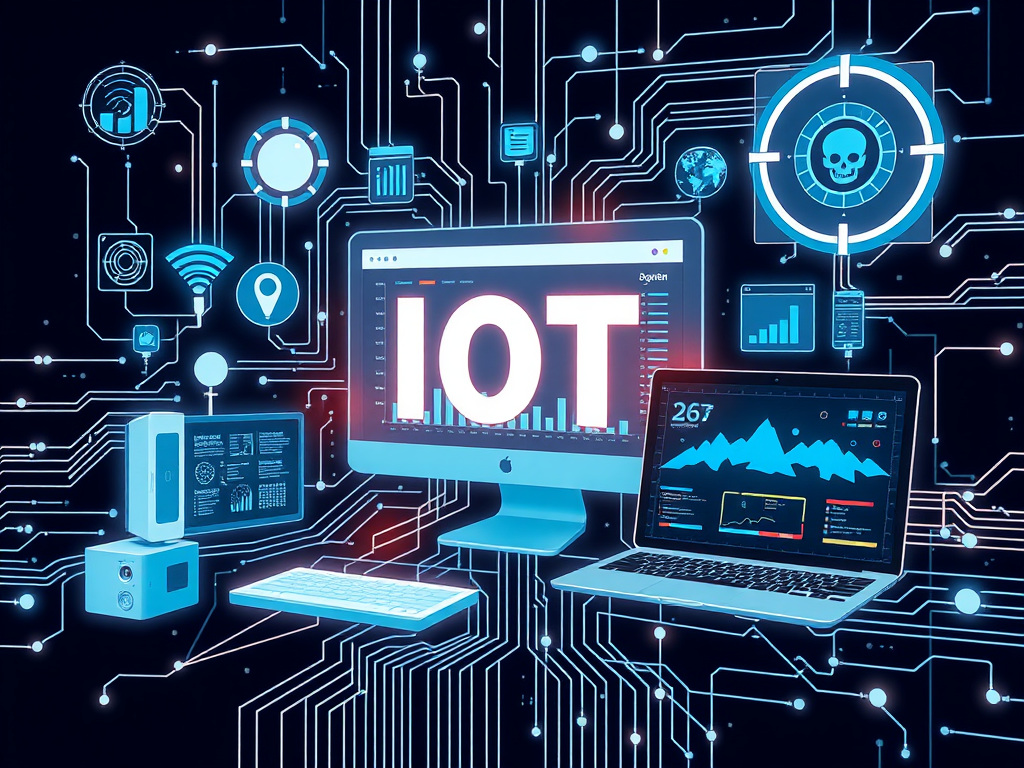
Imagine a world where your home anticipates your needs, adjusting the thermostat based on your location and the weather forecast, all displayed on a sleek, interactive dashboard. Or consider a manufacturing plant where real-time sensor data from equipment is visualized on a web interface, enabling predictive maintenance and minimizing downtime. These are just glimpses of the transformative power of integrating the Internet of Things (IoT) with interactive web experiences.
The Internet of Things (IoT) refers to the network of physical devices, vehicles, home appliances, and other items embedded with electronics, software, sensors, and network connectivity that enables these objects to collect and exchange data. Interactive web experiences, on the other hand, are web applications designed to respond dynamically to user input and provide real-time feedback, creating a more engaging and immersive user experience.
In today’s rapidly evolving technological landscape, the convergence of IoT and interactive web experiences is becoming increasingly significant. As the number of connected devices continues to grow exponentially, the ability to harness and visualize the vast amounts of data they generate is crucial for unlocking new opportunities across various sectors. From smart homes and industrial automation to healthcare and environmental monitoring, the integration of IoT and interactive web experiences is revolutionizing the way we interact with technology and the world around us.
The integration of IoT and interactive web experiences unlocks new possibilities for user engagement, data visualization, and real-time control, leading to richer and more valuable online interactions. This blog post delves into the intricacies of this powerful synergy, exploring the core concepts, technical considerations, real-world examples, and future trends that are shaping the future of the web.
Understanding the Internet of Things (IoT)
What is IoT?
The Internet of Things (IoT) is a broad term that encompasses a vast network of interconnected devices, each equipped with sensors, software, and network connectivity. These devices can collect and exchange data, enabling them to interact with their environment and with each other. At its core, IoT is about connecting physical objects to the internet, allowing them to be monitored and controlled remotely.
The core components of an IoT system include:
- Sensors: These devices collect data from the environment, such as temperature, pressure, motion, or light.
- Devices: These are the physical objects that are connected to the network, such as smart appliances, industrial machines, or wearable devices.
- Connectivity: This refers to the communication channels that enable devices to exchange data, such as Wi-Fi, Bluetooth, cellular networks, or satellite connections.
- Cloud Platform: This is where the data collected by IoT devices is stored, processed, and analyzed. Cloud platforms provide the infrastructure and services needed to manage and scale IoT deployments.
IoT devices are now prevalent in nearly every sector, transforming how businesses and individuals operate. Here are a few examples:
- Home Automation: Smart thermostats, lighting systems, security cameras, and other devices that can be controlled remotely via a smartphone or web interface.
- Healthcare: Wearable fitness trackers, remote patient monitoring devices, and smart medical equipment that can collect and transmit vital health data.
- Manufacturing: Sensors on industrial machines that monitor performance, predict maintenance needs, and optimize production processes.
- Transportation: Connected vehicles, traffic management systems, and logistics tracking devices that improve efficiency and safety.
How IoT Generates Data
IoT devices generate vast amounts of data, often referred to as “big data.” This data can be structured, unstructured, or semi-structured, depending on the type of sensor and the application. Understanding the types of data collected and the formats in which they are transmitted is crucial for building effective IoT solutions.
Common types of data collected by IoT devices include:
- Temperature: Measured by temperature sensors in smart thermostats, weather stations, and industrial equipment.
- Location: Tracked by GPS sensors in vehicles, mobile devices, and asset tracking systems.
- Motion: Detected by motion sensors in security systems, smart lighting, and activity trackers.
- Pressure: Measured by pressure sensors in industrial equipment, automotive systems, and environmental monitoring devices.
- Humidity: Monitored by humidity sensors in greenhouses, HVAC systems, and weather stations.
- Light: Detected by light sensors in smart lighting systems, security cameras, and environmental monitoring devices.
IoT devices use various data formats and protocols to communicate, including:
- MQTT (Message Queuing Telemetry Transport): A lightweight messaging protocol designed for low-bandwidth, high-latency networks, commonly used in IoT applications.
- HTTP (Hypertext Transfer Protocol): The foundation of data communication on the web, used for transferring data between web servers and clients.
- CoAP (Constrained Application Protocol): A specialized web transfer protocol for use with constrained nodes and constrained networks in the IoT.
- AMQP (Advanced Message Queuing Protocol): A more robust messaging protocol often used in enterprise-level IoT deployments.
The IoT Ecosystem
The IoT ecosystem is a complex network of hardware, software, and services that work together to enable the functionality of IoT devices. A key component of this ecosystem is the cloud platform, which provides the infrastructure and services needed to manage and scale IoT deployments.
Some of the most commonly used cloud platforms for IoT include:
- AWS IoT (Amazon Web Services): A comprehensive IoT platform that provides services for device management, data storage, analytics, and security.
- Azure IoT Hub (Microsoft Azure): A scalable and secure IoT platform that enables bidirectional communication between devices and the cloud.
- Google Cloud IoT (Google Cloud Platform): An end-to-end IoT platform that provides services for device management, data ingestion, analytics, and machine learning.
IoT security and privacy are critical considerations in the design and deployment of IoT systems. Because IoT devices are often deployed in unattended or public locations, they are vulnerable to a wide range of security threats, including hacking, data breaches, and denial-of-service attacks. It is essential to implement robust security measures to protect IoT data and ensure user privacy.
Key security measures include:
- Device Authentication: Verifying the identity of IoT devices to prevent unauthorized access.
- Data Encryption: Protecting data in transit and at rest using encryption algorithms.
- Access Control: Limiting access to IoT devices and data based on user roles and permissions.
- Security Updates: Regularly updating firmware and software to patch vulnerabilities and address security threats.
Interactive Web Experiences: A New Paradigm
What are Interactive Web Experiences?
Interactive web experiences represent a significant evolution from traditional static websites. They are defined as web applications that actively respond to user input, offering real-time feedback and creating dynamic and engaging interactions. These experiences go beyond simply displaying information; they empower users to explore, manipulate, and personalize content in meaningful ways.
Examples of interactive web experiences include:
- Dynamic Dashboards: Real-time data visualizations that allow users to monitor key performance indicators (KPIs) and track progress.
- Interactive Maps: Mapping applications that enable users to explore geographical data, zoom in on specific locations, and overlay information layers.
- Personalized Content Delivery: Websites that tailor content to individual user preferences, behaviors, and demographics.
- Real-time Collaboration Tools: Applications that allow multiple users to work together simultaneously on documents, designs, or code.
- E-commerce Platforms with Interactive Product Configurators: Allowing users to customize products in real-time and visualize the final result before making a purchase.
Key Technologies for Interactive Web Experiences
Building interactive web experiences requires a combination of front-end frameworks, real-time communication technologies, and data visualization libraries. These tools enable developers to create dynamic, responsive, and engaging user interfaces.
Some of the most popular technologies include:
- Front-end Frameworks:
- React: A JavaScript library for building user interfaces, known for its component-based architecture and virtual DOM.
- Angular: A comprehensive framework for building complex web applications, offering features like dependency injection and two-way data binding.
- Vue.js: A progressive framework for building user interfaces, known for its simplicity and ease of use.
- Real-time Communication:
- WebSockets: A protocol that enables persistent, bidirectional communication between a client and a server, allowing for real-time updates and interactions.
- Server-Sent Events (SSE): A technology that allows a server to push updates to a client over a single HTTP connection, useful for applications that require one-way real-time communication.
- Data Visualization Libraries:
- D3.js: A powerful JavaScript library for creating custom data visualizations, offering a high degree of flexibility and control.
- Chart.js: A simple and easy-to-use library for creating common chart types, such as bar charts, line charts, and pie charts.
- Three.js: A JavaScript library for creating 3D graphics in the browser, enabling immersive and interactive experiences.
Benefits of Interactive Web Experiences
Interactive web experiences offer numerous benefits over traditional static websites, including:
- Increased User Engagement and Satisfaction: By providing dynamic and responsive interactions, interactive web experiences capture user attention and keep them engaged for longer periods.
- Improved Data Comprehension and Decision-Making: Interactive data visualizations make it easier for users to understand complex data and make informed decisions.
- Enhanced Personalization and Customization: Interactive web experiences can be tailored to individual user preferences, behaviors, and demographics, creating a more personalized and relevant experience.
- Greater User Control and Empowerment: Interactive elements give users more control over their experience, allowing them to explore, manipulate, and personalize content to their liking.
- Improved Accessibility: Well-designed interactive web experiences can be more accessible to users with disabilities, providing alternative ways to interact with content.
The Synergy: IoT Data Powering Interactive Web Experiences
The true potential of both IoT and interactive web experiences is realized when they are combined. IoT devices generate a continuous stream of real-time data, while interactive web experiences provide the tools and interfaces to visualize, analyze, and act upon that data. This synergy unlocks a wealth of new possibilities across various industries and applications.
Connecting IoT Data to the Web
Integrating IoT data into web applications requires a well-defined architecture and a robust set of APIs. The general pattern involves IoT devices sending data to a cloud platform, which then exposes that data through APIs that can be consumed by web applications. The web applications then use this data to update interactive elements, display visualizations, and trigger actions.
Common architectural patterns include:
- Direct Device-to-Cloud Communication: IoT devices connect directly to the cloud platform via protocols like MQTT or CoAP.
- Gateway-Based Communication: IoT devices connect to a local gateway, which then aggregates and transmits data to the cloud.
- Edge Computing: Data is processed and analyzed at the edge of the network, closer to the IoT devices, before being sent to the cloud.
APIs and data streaming methodologies include:
- REST APIs: A widely used architectural style for building web services, allowing web applications to retrieve and update data from the cloud.
- WebSockets: Enables real-time, bidirectional communication between the cloud and web applications, allowing for instant updates.
- Server-Sent Events (SSE): Allows the cloud to push updates to web applications over a single HTTP connection, useful for applications that require one-way real-time communication.
- GraphQL: A query language for APIs that allows web applications to request specific data, reducing the amount of data transferred and improving performance.
Examples of IoT-Driven Interactive Web Experiences
The integration of IoT and interactive web experiences is transforming various industries and applications. Here are a few compelling examples:
- Smart Home Dashboards: These dashboards provide real-time monitoring and control of home devices, such as lights, thermostats, security systems, and appliances. Users can view the current status of their devices, adjust settings, and automate tasks from a single, intuitive interface.
- Industrial Monitoring: Interactive web applications can visualize sensor data from manufacturing equipment, providing insights into machine performance, energy consumption, and potential maintenance needs. This enables predictive maintenance, reduces downtime, and optimizes production processes.
- Environmental Monitoring: These applications display real-time weather data, air quality indices, and pollution levels, empowering users to make informed decisions about their health and activities. They can also provide alerts about hazardous conditions, such as extreme heat or air pollution.
- Healthcare Applications: Remote patient monitoring systems use wearable sensors and web dashboards to track vital signs, activity levels, and sleep patterns. This allows healthcare providers to monitor patients remotely, detect potential health issues early, and provide personalized care.
- Smart Agriculture: Farmers can use interactive web applications to visualize soil conditions, weather patterns, and irrigation data, enabling them to optimize crop yields, conserve water, and reduce the use of pesticides and fertilizers.
Benefits of Integrating IoT with Interactive Web Experiences
The integration of IoT with interactive web experiences offers a multitude of benefits, including:
- Real-time Data Visualization and Analysis: Interactive dashboards and visualizations provide users with real-time insights into IoT data, enabling them to identify trends, patterns, and anomalies.
- Remote Control and Automation Capabilities: Web interfaces allow users to remotely control and automate IoT devices, improving efficiency and convenience.
- Personalized User Experiences Based on Real-World Conditions: Web applications can adapt to real-world conditions based on IoT data, providing personalized and relevant experiences.
- Improved Decision-Making: Real-time data and interactive visualizations empower users to make informed decisions based on accurate and up-to-date information.
- Increased Efficiency and Productivity: By automating tasks and providing real-time insights, the integration of IoT and interactive web experiences can improve efficiency and productivity across various industries.
Technical Considerations and Implementation
Implementing IoT-driven interactive web experiences requires careful consideration of the technology stack, data security, and potential challenges. Choosing the right tools and methodologies is crucial for building scalable, secure, and reliable solutions.
Choosing the Right Technology Stack
Selecting the appropriate IoT platform, web framework, and data visualization tools is essential for building effective IoT-driven interactive web experiences. The choice of technology stack will depend on the specific requirements of the application, including the scale of the deployment, the complexity of the data, and the desired level of interactivity.
When choosing an IoT platform, consider factors such as:
- Scalability: The ability to handle a large number of devices and data streams.
- Security: Robust security features to protect IoT data and devices.
- Connectivity: Support for various communication protocols and network technologies.
- Data Management: Tools for storing, processing, and analyzing IoT data.
- Integration: Ability to integrate with other cloud services and web applications.
When choosing a web framework, consider factors such as:
- Performance: The ability to render dynamic content quickly and efficiently.
- Responsiveness: The ability to adapt to different screen sizes and devices.
- Ease of Use: A simple and intuitive API for building user interfaces.
- Community Support: A large and active community of developers.
- Security: Built-in security features to protect against common web vulnerabilities.
When choosing a data visualization tool, consider factors such as:
- Flexibility: The ability to create custom visualizations tailored to specific data sets.
- Interactivity: Support for interactive elements, such as zooming, panning, and filtering.
- Performance: The ability to render large data sets quickly and efficiently.
- Ease of Use: A simple and intuitive API for creating visualizations.
- Integration: Ability to integrate with other web frameworks and data sources.
Data Security and Privacy
Protecting IoT data and ensuring user privacy is paramount when building IoT-driven interactive web experiences. Implementing robust security measures is essential to prevent data breaches, unauthorized access, and other security threats.
Key security measures include:
- Device Authentication: Verifying the identity of IoT devices to prevent unauthorized access.
- Data Encryption: Protecting data in transit and at rest using encryption algorithms.
- Access Control: Limiting access to IoT devices and data based on user roles and permissions.
- Security Updates: Regularly updating firmware and software to patch vulnerabilities and address security threats.
- Secure Communication Protocols: Using secure communication protocols, such as TLS/SSL, to protect data in transit.
- Data Anonymization: Removing personally identifiable information (PII) from IoT data to protect user privacy.
- Compliance with Regulations: Complying with relevant regulations, such as GDPR and CCPA, to ensure data privacy and security.
Challenges and Solutions
Building IoT-driven interactive web experiences can present a number of challenges, including:
- Data Latency: The delay between when data is generated by an IoT device and when it is displayed on a web interface.
- Real-Time Processing: The need to process and analyze IoT data in real-time to provide timely insights and enable immediate actions.
- Data Volume: The large volume of data generated by IoT devices, which can overwhelm traditional data processing systems.
- Data Accuracy: Ensuring the accuracy and reliability of IoT data, which can be affected by sensor errors, network outages, and other factors.
- Scalability: Scaling the system to handle a growing number of devices and data streams.
Solutions to these challenges include:
- Edge Computing: Processing and analyzing data at the edge of the network, closer to the IoT devices, to reduce latency and improve performance.
- Data Streaming Technologies: Using data streaming technologies, such as Apache Kafka and Apache Flink, to process and analyze IoT data in real-time.
- Cloud-Based Data Storage and Processing: Leveraging cloud-based data storage and processing services to handle large volumes of IoT data.
- Data Validation and Cleansing: Implementing data validation and cleansing techniques to ensure the accuracy and reliability of IoT data.
- Scalable Architectures: Designing scalable architectures that can handle a growing number of devices and data streams.
Future Trends and Opportunities
The integration of IoT and interactive web experiences is a rapidly evolving field, with new technologies and trends emerging all the time. Staying abreast of these developments is crucial for building innovative and impactful solutions.
Edge Computing and IoT
Edge computing is a distributed computing paradigm that brings computation and data storage closer to the edge of the network, near the location where data is generated. In the context of IoT, edge computing involves processing and analyzing data on devices or gateways located near the IoT devices, rather than sending all data to the cloud.
Edge computing enhances the performance and responsiveness of IoT-driven web experiences by:
- Reducing Latency: By processing data locally, edge computing reduces the latency associated with sending data to the cloud and back.
- Improving Reliability: Edge computing allows applications to continue functioning even when the connection to the cloud is interrupted.
- Reducing Bandwidth Consumption: By processing data locally, edge computing reduces the amount of data that needs to be transmitted over the network.
- Enhancing Security: Edge computing can enhance security by processing sensitive data locally, reducing the risk of data breaches.
AI and Machine Learning
Artificial intelligence (AI) and machine learning (ML) are increasingly being used to analyze IoT data and create more intelligent and personalized web applications. AI/ML algorithms can be used to identify patterns, predict future events, and automate tasks, enhancing the value of IoT-driven interactive web experiences.
Examples of AI/ML applications in IoT-driven web experiences include:
- Predictive Maintenance: Using ML algorithms to analyze sensor data from industrial equipment and predict when maintenance is needed.
- Personalized Recommendations: Using AI algorithms to analyze user data and provide personalized recommendations for products, services, or content.
- Anomaly Detection: Using ML algorithms to detect anomalies in IoT data, such as unusual energy consumption or security breaches.
- Automated Control: Using AI algorithms to automatically control IoT devices based on real-time data and pre-defined rules.
The Metaverse and IoT
The metaverse is a persistent, shared, 3D virtual world that is increasingly blurring the lines between the physical and digital realms. The integration of IoT data into immersive web experiences within the metaverse opens up new possibilities for creating engaging and interactive experiences.
Examples of IoT applications in the metaverse include:
- Virtual Reality (VR) Simulations: Using IoT data to create realistic VR simulations of real-world environments.
- Augmented Reality (AR) Overlays: Using IoT data to overlay digital information onto the real world through AR applications.
- Digital Twins: Creating virtual representations of physical objects or systems that are updated in real-time with IoT data.
- Immersive Training Simulations: Using IoT data to create immersive training simulations for various industries, such as manufacturing, healthcare, and transportation.
Overview of the evolving landscape of IoT and its continuing impact on web development.
The landscape of IoT is constantly evolving, with new devices, technologies, and applications emerging all the time. As the number of connected devices continues to grow, the impact of IoT on web development will only increase. Web developers need to stay abreast of these developments and adapt their skills and tools to take advantage of the opportunities presented by IoT.
Key trends to watch include:
- The rise of low-power wide-area networks (LPWANs): LPWANs, such as LoRaWAN and NB-IoT, are enabling the deployment of IoT devices in remote and challenging environments.
- The increasing adoption of edge computing: Edge computing is becoming increasingly important for reducing latency, improving reliability, and enhancing security.
- The growing use of AI/ML in IoT: AI/ML algorithms are being used to analyze IoT data and create more intelligent and personalized applications.
- The convergence of IoT and the metaverse: The integration of IoT data into immersive web experiences within the metaverse is opening up new possibilities for creating engaging and interactive experiences.
Conclusion with Key Takeaways
The integration of IoT with interactive web experiences represents a powerful synergy that unlocks new possibilities for user engagement, data visualization, and real-time control. By harnessing the vast amounts of data generated by IoT devices and presenting it in an engaging and intuitive way through interactive web interfaces, we can create richer and more valuable online interactions.
Key benefits of integrating IoT with interactive web experiences include:
- Real-time data visualization and analysis
- Remote control and automation capabilities
- Personalized user experiences based on real-world conditions
- Improved decision-making
- Increased efficiency and productivity
The potential for creating engaging, personalized, and valuable online interactions through the integration of IoT and interactive web experiences is immense. As the number of connected devices continues to grow and new technologies emerge, the opportunities for innovation in this space will only increase.
We encourage you to explore and leverage IoT and interactive web experiences in your own projects. Consider the future trends and opportunities discussed in this blog post, and embrace the challenge of creating innovative solutions that bridge the physical and digital worlds.