Have you ever noticed how some websites can comfortably greet you with instant content, while others leave you waiting in frustrating suspense? If you’ve ever found yourself staring at a spinning wheel, you might be searching for answers. The secret behind these seamless experiences lies in a modern architecture approach called Jamstack.
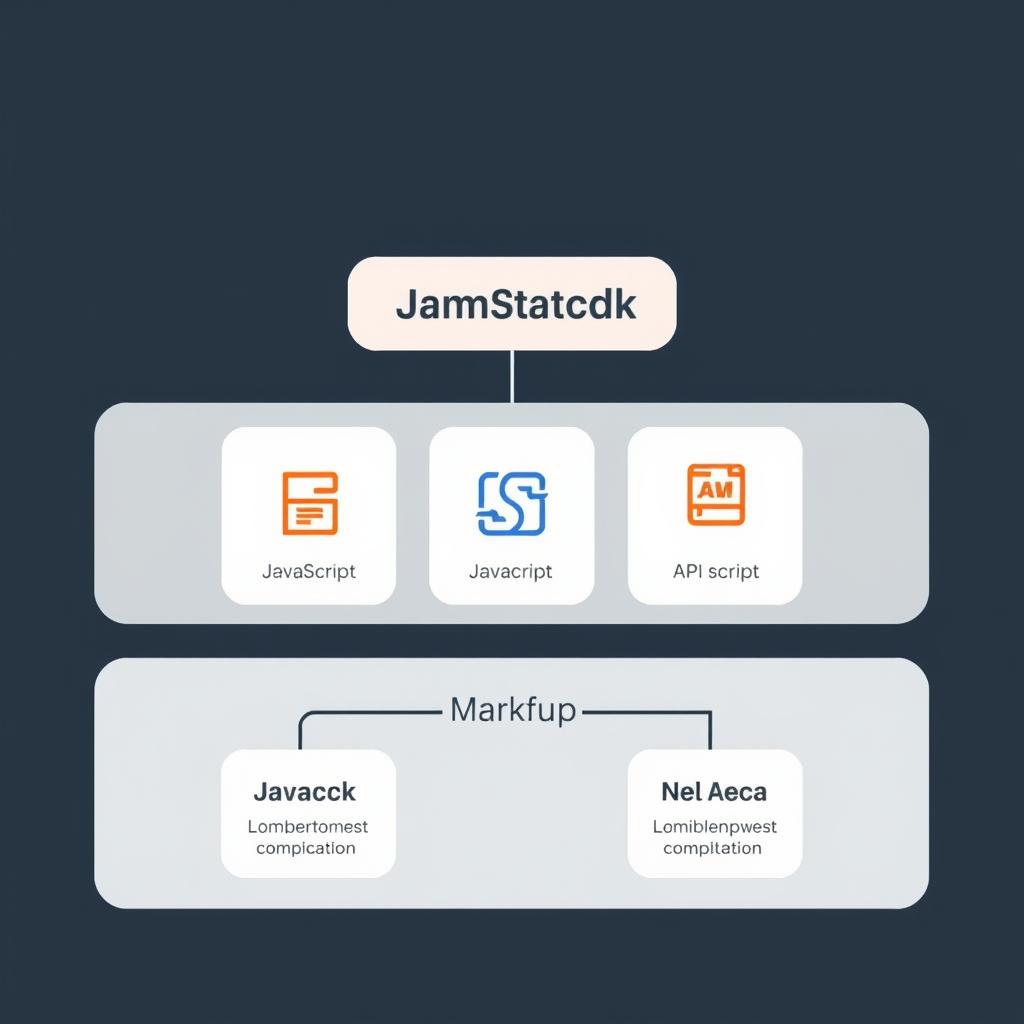
Jamstack, standing for JavaScript, APIs, and Markup, redefines traditional website development by decoupling the frontend from the backend. This unique architecture design not only enhances performance but also vastly improves security. For professional WordPress users and developers, understanding and embracing this paradigm can be a substantial advantage.
Defining Jamstack
At its core, Jamstack is designed to enhance the performance and user experience of web applications. This architecture comprises three main components:
- JavaScript: Manages dynamic functionalities on the client-side, allowing for interactive user experiences.
- APIs: Function as the connective tissues that enable various third-party services and database interactions.
- Markup: Pre-rendered HTML files that cater to rapid loading times, ensuring that users have instant access to web content.
Visualize Jamstack as a high-speed train. The engines (JavaScript) propel content dispatch, while the tracks (APIs) ensure a rapid and stable journey towards the desired destination—your content.
Why Shift to Jamstack?
Transitioning to Jamstack architecture offers multiple benefits—two of the most significant being performance and security.
Performance that Captivates
The impressive speed of Jamstack websites stems from the utilization of pre-rendered static files. In our digital age, where attention spans dwindle, the statistics are sobering: 53% of mobile users abandon sites that take more than three seconds to load. In contrast, Jamstack infrastructure can drastically reduce loading times.
- Reduced Server Load: By relying on static assets, server demands lessen, easing pressure on databases and enhancing overall performance.
- Instant Content Delivery: With pre-generated assets, websites present content almost instantly, fostering user satisfaction and engagement.
Security Simplified
As cyber threats escalate, security becomes a critical concern. A defining strength of Jamstack is its ability to minimize vulnerabilities:
- No Server Vulnerabilities: With limited server interactions, threats and attack vectors diminish significantly.
- Static Content Benefits: Static sites inherently sidestep many of the security risks tied to databases, leading to structured and secure web applications.
In the words of renowned developer and co-founder of GitHub, Tom Preston-Werner: “Static sites are the future of the web.” In an era where security matters more than ever, adopting Jamstack serves as a wise choice for developers.
Embarking on Your Jamstack Journey
While taking the leap into Jamstack may feel intimidating at first, it’s incredibly manageable with a structured approach.
Select Your Tools
Choosing appropriate tools is a springboard to success:
- Static Site Generators: Tools like Gatsby, Next.js, and Hugo simplify the creation of beautiful static pages.
- Headless CMS: Platforms such as Contentful and Sanity.io empower you to manage content without the constraints of a traditional backend.
Development and Deployment: Streamlined
Once you have your tools in place, you can dive into building your site. The process often feels like constructing a detailed Lego model: each piece snaps into place, gradually forming a coherent, functional whole.
Deploying is equally straightforward, thanks to platforms like Netlify and Vercel, where pushing your content to the public can be achieved with minimal effort.
Optimizing and Iterating
After launching, continuous optimization becomes paramount. Utilizing analytics tools allows for monitoring performance, providing insights that are invaluable for iterative improvement. Each phase of enhancement contributes to the evolving landscape of your website.
The Jamstack Future: Statistically Speaking
To bring this insightful discussion to a point, consider this statistic from the State of Jamstack 2022 report: over 80% of developers now express a preference for Jamstack, citing advantages in speed and development efficiency.
In a tech-driven world, adapting to innovative practices is vital. Engaging with Jamstack aligns seamlessly with current web development methodologies while laying a solid groundwork for future initiatives.
Conclusion: Seize the Jamstack Opportunity
In summary, embracing Jamstack architecture signifies a move towards building websites that excel in speed, security, and scalability. Picture yourself within a community centered on performance and reliability—qualities that are increasingly essential in today’s digital landscape.
No matter whether you’re crafting your first project or refining existing ones, think seriously about incorporating Jamstack into your workflow. The digital realm is ripe for exploration, and you have the potential to thrive within it.
How will you leverage Jamstack to enhance your web development strategy?