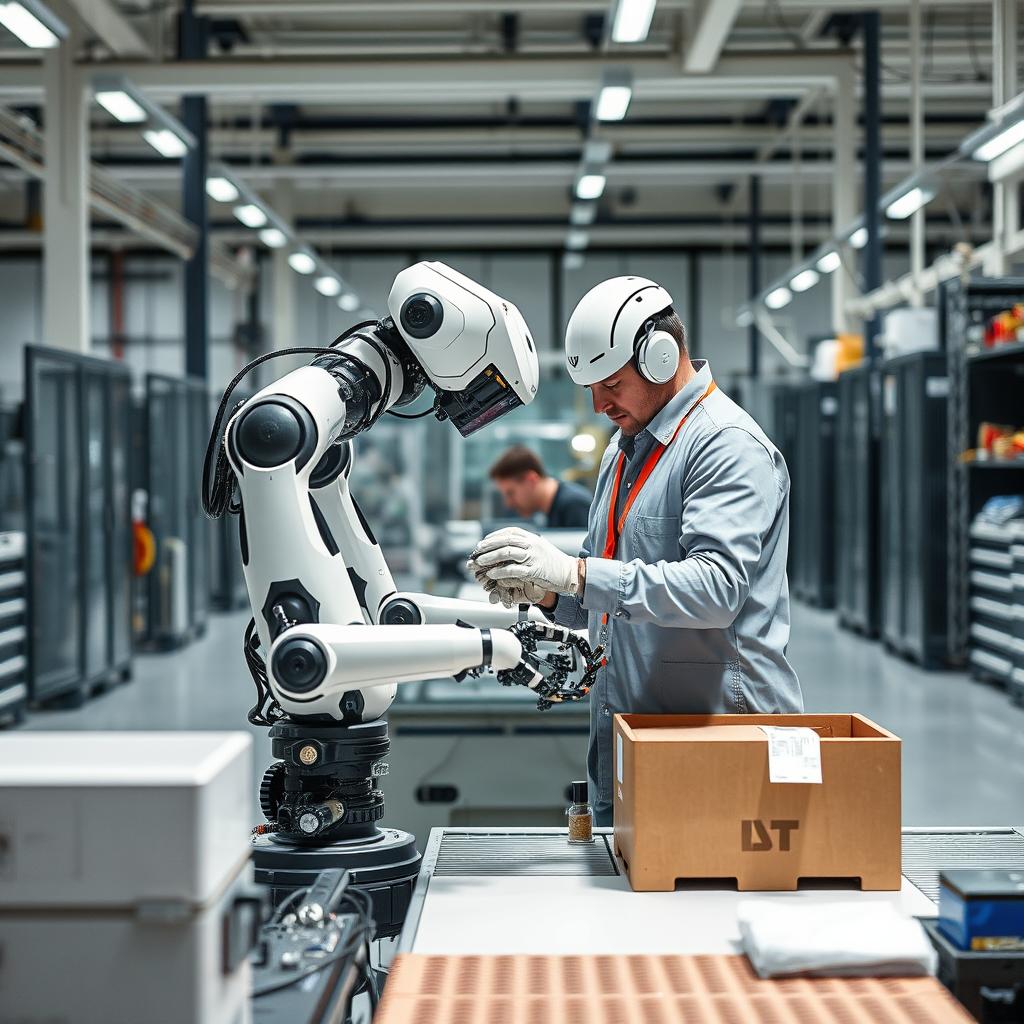
Embracing Tomorrow: Robotics and Automation Trends
Unlocking Opportunities in a Changing Workforce Landscape
Imagine a world where machines not only assist us but learn from us. This isn’t science fiction; it’s a reality that’s unfolding right now. With advancements in robotics and automation, our lives and workplaces are transforming at an unprecedented pace. Are you prepared to navigate this exciting new landscape?
Modern technology is redefining how we approach work and interact with one another. In this article, we will explore the latest trends in robotics and automation, how they are reshaping industries, and what you can do to stay ahead.
The Rise of Collaborative Robots
Collaborative robots, or “cobots”, are changing the way we think about automation. Unlike traditional robots that operate independently, cobots are designed to work alongside human workers, enhancing productivity and safety.
Humans and robots side by side: These robots complement human abilities, taking over tasks that are repetitive or hazardous. For example, in manufacturing, cobots can lift heavy objects while workers focus on quality control.
According to a recent survey, 45% of warehouses are currently using or planning to implement cobots, reflecting the shift towards a more integrated approach to automation.
“The future of work is not about robots replacing us but about us working in harmony with them,” states Dr. Sarah Thompson, a robotics researcher at Tech Innovations Lab.
This collaborative approach is not just about efficiency; it’s about creating safer work environments. You might even think of cobots as your new co-workers, taking on the grunt work while you engage in more strategic tasks.
Automation in Everyday Life
Automation is also making its way into our daily routines. Smart home devices, from robotic vacuum cleaners to intelligent thermostats, are examples of how automation simplifies our lives. Imagine coming home to a house that knows your temperature preferences or starting your coffee maker with a simple voice command.
Here are some common examples of automation that many of us encounter:
- Smart appliances: Refrigerators that notify you when you’re low on groceries.
- Voice assistants: Systems that manage your calendar and control your home environment.
A study by Gartner indicated that by 2025, 75% of households will have at least one smart appliance.
Engaging with automation at home allows you to focus on what truly matters.
As tech entrepreneur Marcus Grey emphasizes, “If you can automate a task, you’re not just saving time; you’re breaking the chains of monotony in everyday life.”
Just like a chess player strategizing their moves, automation can help you think two steps ahead while enjoying a well-organized life.
The Impact on Employment and Skills
With the rise of robotics and automation comes the inevitable question: What does this mean for jobs?
While it’s true that some traditional jobs may be phased out, the demand for new skills is on the rise. The World Economic Forum predicts that by 2025, 85 million jobs may be displaced by the shift to automation. Yet, the same report indicates that 97 million new roles could emerge to meet changing demands.
Skills to thrive: Emphasizing skills like problem-solving, creativity, and digital literacy will be crucial as the workforce evolves.
Continuous learning: Workers will need to adapt and learn new tools and technologies.
If you’re currently in school or considering your future career options, think about how robotics and automation could play a role in your chosen field. Learning adaptable skills is essential to staying relevant.
“Education is the passport to the future, for tomorrow belongs to those who prepare for it today,” said Malcolm X, reminding us of the importance of continuous learning in an evolving job market.
Preparing for the Future
So, what can you do to prepare for a future dominated by robotics and automation?
- Stay informed: Follow industry news and trends in robotics. Knowledge is power.
- Embrace technology: Familiarize yourself with automation tools, even in personal use.
- Pursue education: Focus on acquiring skills in high-demand fields, such as artificial intelligence or data analysis.
As we dive deeper into this wave of technological advancement, think of yourself as a navigator. You hold the compass that can lead you through uncharted territories.
Conclusion: Your Role in the Age of Robots
As robots and automation continue to evolve, you have the opportunity to shape your future. Embrace technology, pursue relevant skills, and remain curious. Remember, the robots are here to assist us—not to replace us.
In the coming years, your ability to adapt could be your greatest asset. So, take charge, stay engaged, and get ready to thrive in a world integrated with robotics.