In an age where technology is increasingly integrated into our everyday lives, the concepts of digital humans and digital twinning are reshaping the landscape of interaction between us and the digital world. These innovations go beyond mere technological advancement; they revolutionize the way we understand and interact with reality itself.
Digital humans can be defined as advanced simulations of actual human beings. They leverage artificial intelligence, graphic design, and behavioral modeling to create lifelike characters that can engage meaningfully with users. Unlike traditional avatars, these digital counterparts can comprehend emotions, engage in complex conversations, and adapt to user interactions in real-time.
This technology manifests in various forms, from virtual avatars providing customer support to lifelike characters in video games that enable players to form emotional connections. The potential for digital humans stretches across multiple industries. For instance, in customer service, advanced virtual agents can deliver personalized assistance, significantly enhancing the user experience. In the health sector, digital humans can support patients by monitoring wellness, sending medication reminders, and providing interactive mental health support, thus alleviating workload pressures on healthcare professionals.
On the other hand, digital twinning refers to the creation of digital replicas of physical objects or systems. This technology captures and mimics the physical properties of its real-world counterpart, often enriched with real-time data and computational models. The dual-functionality of digital twins—mirroring the physical alongside ongoing analytics—enables enhanced decision-making and optimized processes across various sectors.
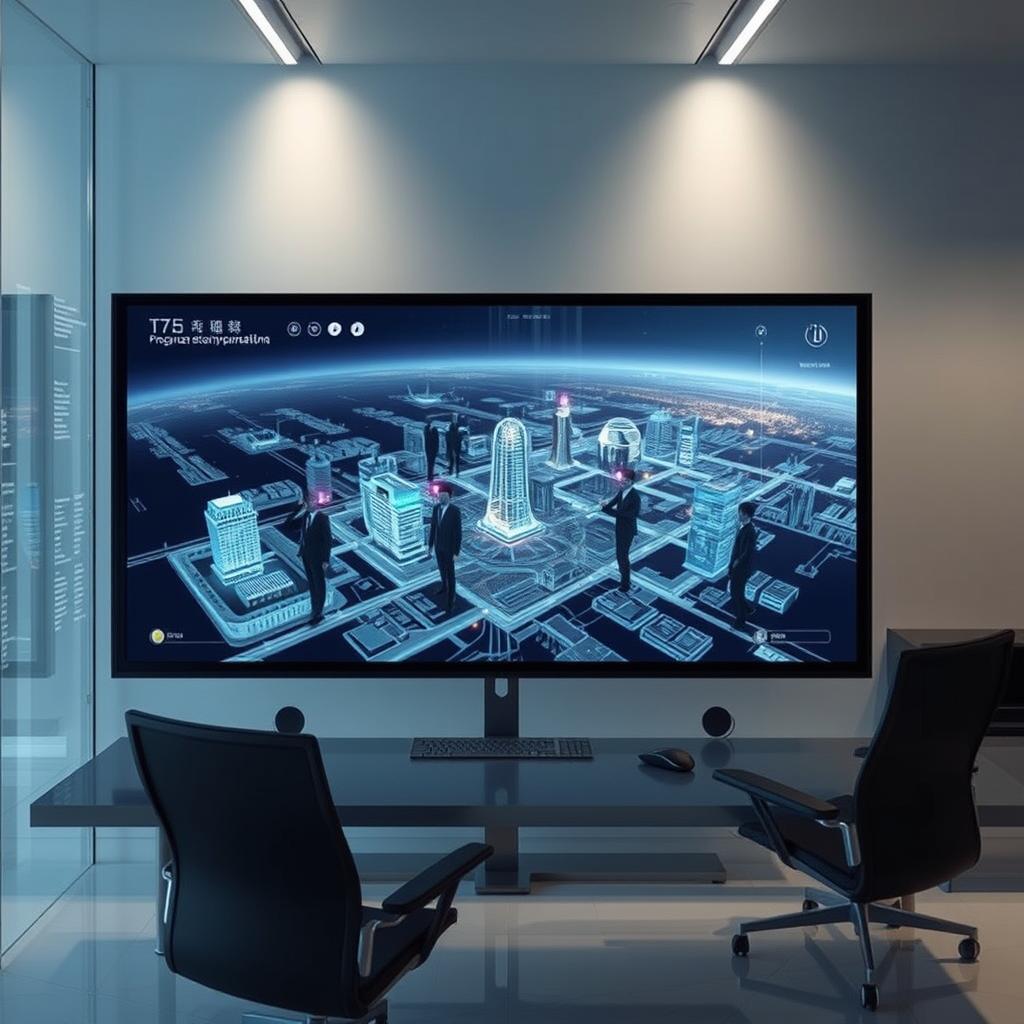
Examples of digital twin applications abound. In manufacturing, smart factories utilize digital twins to monitor the production lifecycle, predicting maintenance requirements and improving overall operational efficiency. Urban planning also benefits from digital twins, helping city officials simulate traffic patterns and manage resources more effectively. In healthcare, the portrayal of human organs as digital twins enhances the ability to conduct personalized surgeries and tailor treatment plans for individual patients.
As these two concepts converge, we see a transformative interplay. By merging digital humans within digital twin frameworks, companies can create engaging and immersive data environments. For example, Microsoft’s Azure Digital Twins enables businesses to model their physical environments digitally. Coupled with digital humans, users can interact with lifelike avatars to gain insights and make strategic decisions based on the immersive manipulation of complex datasets.
This synergy not only heightens user interaction but also inspires a more profound understanding of data representation. Imagine a virtual health assistant residing within a healthcare digital twin—it could analyze a patient’s information and provide tailored advice through human-like interaction, effectively promoting better health management.
The future that digital humans and digital twinning promise is one of unprecedented efficiencies and enhanced human experiences. They are not merely tools; they represent a growing integration of technology into our daily lives, enhancing how we interact with our environment and ourselves.
As we approach this digital frontier, it is crucial for businesses and individuals alike to embrace these technologies proactively. By capitalizing on the power of digital humans and digital twins, we not only optimize our operations but also enrich our personal interactions. The invitation is open for us to become active participants in sculpting our digital future rather than being passive observers in this remarkable evolution.
As we reflect on these advancements, one might ponder: are we ready to redefine our understanding of reality through these digital innovations? What opportunities can they unlock for us in both personal and professional realms?