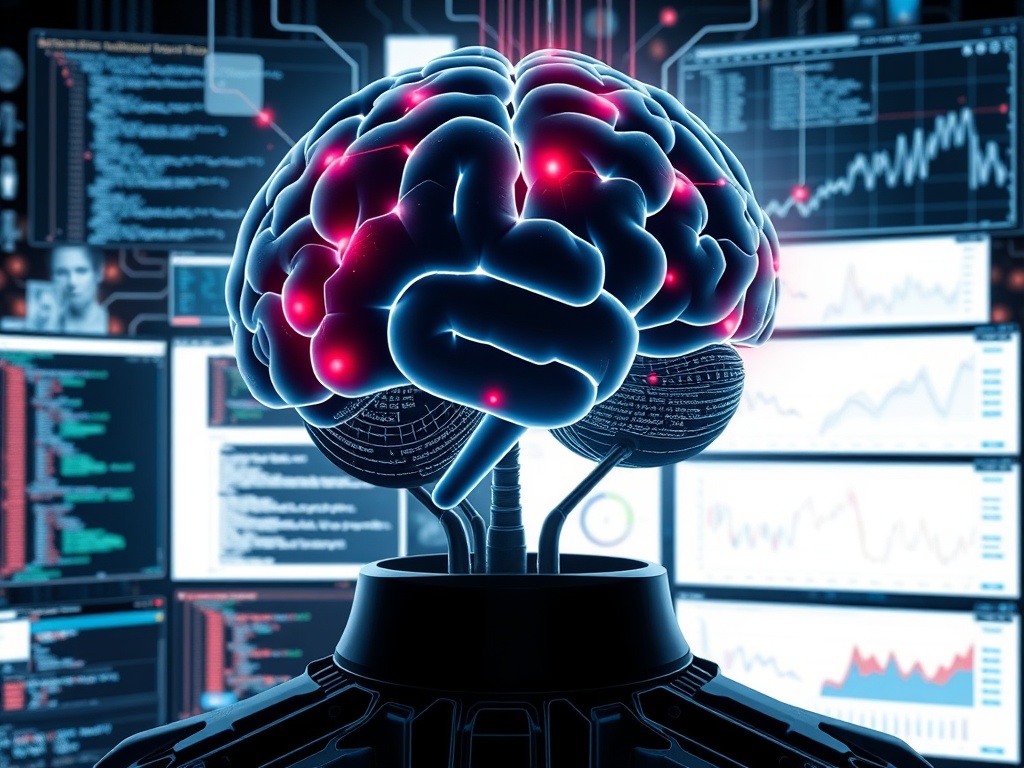
Understanding how AI systems can analyze and interpret multiple forms of data is key to harnessing their full potential. This understanding is multi-dimensional and expands not just technological capability, but our capacity for innovation in various sectors. Today, let’s dive into the fascinating world of Multimodal AI, an evolving frontier with exciting applications and palpable benefits.
Insight: The Power of Integration
At the heart of Multimodal AI is its compelling ability to process and analyze different types of data simultaneously. This capability transcends traditional AI’s limits, essentially redefining how we leverage information to make decisions, enhance user experiences, and drive innovations in numerous fields.
Imagine a healthcare scenario where diagnostic algorithms analyze both medical images and patient records in real-time. Radiologists can benefit from predictive insights that merge extensive data types, ultimately leading to more accurate and timely diagnoses. This remarkable integration doesn’t just improve outcomes for medical professionals; it significantly enhances the patient experience as well.
In the realm of education, Multimodal AI encourages personalized learning by understanding and adapting to students’ different learning modalities. For instance, by synergizing textual content with visual resources—be it videos, diagrams, or interactive simulations—educators can create engaging lessons that resonate with students’ individual preferences. This modern approach leads to higher retention rates and improved educational outcomes.
Further, e-commerce businesses are leveraging this technology to revolutionize the online shopping experience. By combining customer sentiments from reviews with detailed product images, these multimodal systems elevate the recommendation processes. They empower organizations to suggest products that not only match users’ preferences but also spark joyful purchasing experiences.
Creatively, content creators are also beginning to explore Multimodal AI in video production. By understanding scripts and integrating that comprehension with video footage, automation in editing enhances productivity. This leads to faster turnarounds while maintaining, if not improving, content quality.
However, as we embrace this tech revolution, we must also confront challenges surrounding the integration of diverse data types. One main challenge involves seamless data processing and alignment, as datasets stem from various sources with different structures and quality. Overcoming this requires sophisticated frameworks and strong data management practices.
Moreover, the computational resources necessary for training these advanced models cannot be understated. Smaller organizations may face barriers due to the lack of access to high-performance computing hardware, complicating their initiative to leverage Multimodal AI fully.
Next, we cannot ignore the ethical implications tied to interpretability and bias prevalent within these models. The intricacies of understanding how AI arrives at certain predictions can raise significant concerns, especially in sensitive domains like healthcare and finance. Valuing transparency while ensuring compliance with regulatory standards addresses a dual challenge that organizations must prioritize.
Strategically, here are a few recommendations for organizations looking to embark on a Multimodal AI journey:
- Pilot Programs: Start small by initiating pilot projects that test specific applications, allowing validation of concepts and models before broader implementation.
- Data Infrastructure Investment: Develop robust data management frameworks that ensure seamless integration of various data modalities.
- Explainability Focus: Incorporate tools like LIME or SHAP to enhance interpretability and mitigate bias.
- Expert Collaboration: Engage with domain experts to navigate compliance and ethical considerations which are crucial in particular fields.
- Continuous Learning: Cultivate a culture of ongoing education and adaptation among staff to keep pace with rapid advancements.
As we look to the future, it is clear that the landscape for Multimodal AI is ripe for growth and innovation. With advancements in understanding context and nuance across modalities, organizations stand at a pivotal point to reshape operations and interactions.
The path ahead involves not only technical proficiency but also a commitment to ethical standards and transparency. We can expect that as we err on the side of ethics and integrity, industry-wide standardization efforts will emerge, fostering a new era where trust in Multimodal AI solutions solidifies and expands.
Ultimately, the melding of diverse data types through Multimodal AI is not just about extracting insights; it is about creating a transformative impact that enhances efficiencies, fosters creativity, and equips businesses to solve complex problems. As professionals within this field, our challenge and opportunity lie in harnessing this technology to not only innovate but also to responsibly engage our stakeholders.
As you reflect on the implications of Multimodal AI in your own sector, consider this: How can you integrate multiple modalities in your initiatives to drive real change and enhance value for your users?