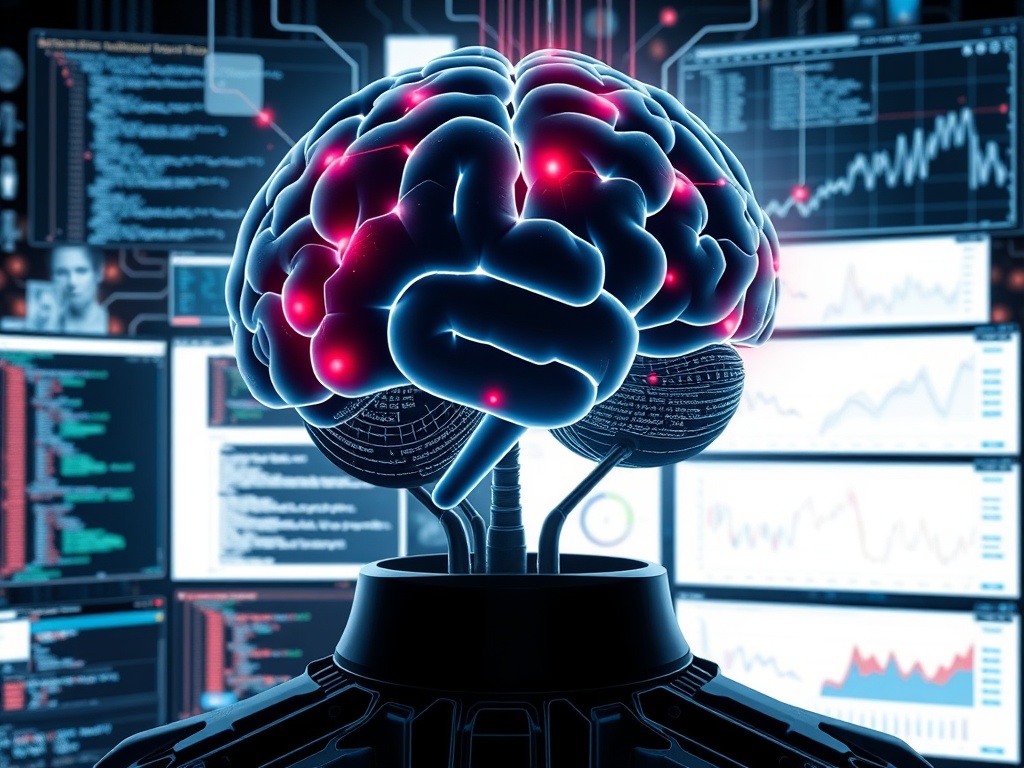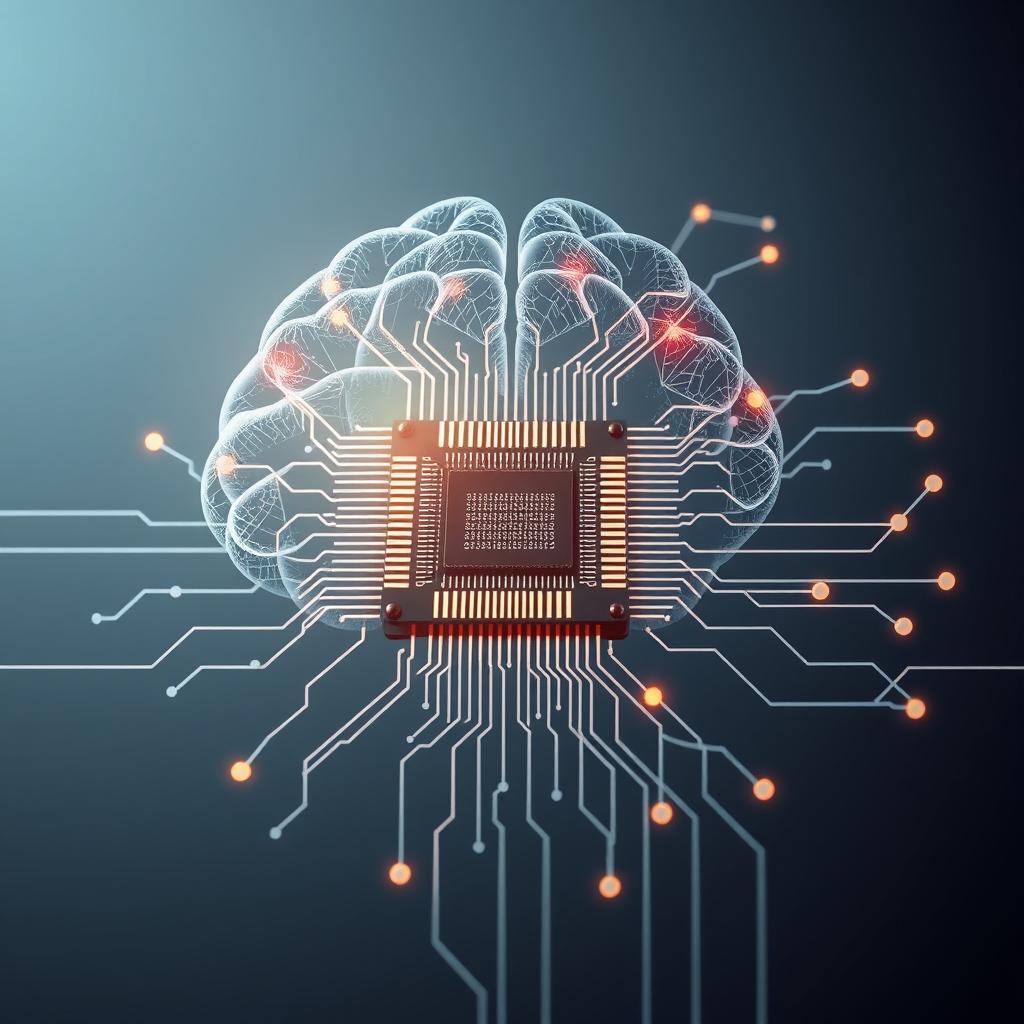
In an era where innovation meets biology, neuromorphic computing stands out as a transformative evolution in the realm of technology. Inspired by the intricacies of the human brain, this advanced computational paradigm challenges conventional architectures by integrating how we process information. While traditional computing frameworks operate on a strictly linear method of processing and storing data, neuromorphic systems resemble the brain’s efficiency and adaptability through their interwoven architecture.
One compelling insight to consider is that neuromorphic computing holds the potential to redefine our computational efficiency and energy consumption. By being largely event-driven, neurological systems activate only when necessary, vastly reducing the energy needed for data processing compared to their traditional counterparts that run continuously. This energy efficiency can illuminate pathways for developing more sustainable technology solutions across diverse fields.
As organizations grapple with increasingly large data sets and the demand for real-time analytics, the adaptability of neuromorphic systems becomes even more appealing. Through applications in robotics, healthcare, edge computing, and financial services, businesses can harness the power of neuromorphic computing to not only enhance performance but also reduce operational costs linked to power consumption.
However, implementing neuromorphic computing remains a challenge due to its technical complexities and the ongoing evolution of hardware. Programming for an architecture that fundamentally differs from traditional systems requires specialized skills and insights that are still being cultivated. Organizations must prioritize developing talent within this niche field while also investing in partnerships to enhance knowledge transfer and research collaboration.
In a world where digital demands are on the rise, neuromorphic computing is not just an exciting avenue of research; it is a vital consideration for future technological evolutions. The need to move towards energy-efficient computing solutions is not just a potentiality; it is imperative. As we take steps toward integrating these systems into real-world applications, our approach should be mindful and strategic. Understanding the inherent affordances and obstacles presented by neuromorphic computing can empower businesses to leverage its advantages while navigating its complexity.
As we stand on the brink of a new chapter in computing, one steeped in biological inspiration, the question remains: Are we ready to embrace the possibilities that neuromorphic computing presents? What strategies can we implement today to ensure we are not just observers of this technological evolution, but pioneers driving next-gen solutions?